
Beethoven and Great Britain
"Where your compositions are preferred to any other..."
BackBeethoven had many contacts in Britain where his music was highly appreciated. Business partners in London and Edinburgh bought his compositions and also asked him for certain pieces such as folk song adaptations or a plain piano version of his Violin Concerto. Two former citizens of Bonn in particular supported Beethoven in London: violinist and concert organiser Johann Peter Salomon, born in what would later become the Beethoven-Haus, who held quite an important position within the London concert environment, as well as Beethoven's pupil and temporary secretary Ferdinand Ries. The latter was one of the directors of the Philharmonic Society, founded in 1813, which invited Beethoven several times to come to London and perform works commissioned by the society. However, Beethoven never made it to Britain. Although commissioned by the Philharmonic Society, the Ninth Symphony was first performed in Vienna. In cooperation with the British Library in London the Beethoven-Haus presented a special exhibition about this interesting subject at the 2007 Beethoven Festival.
What happened before
Johann Peter Salomon smooths the way
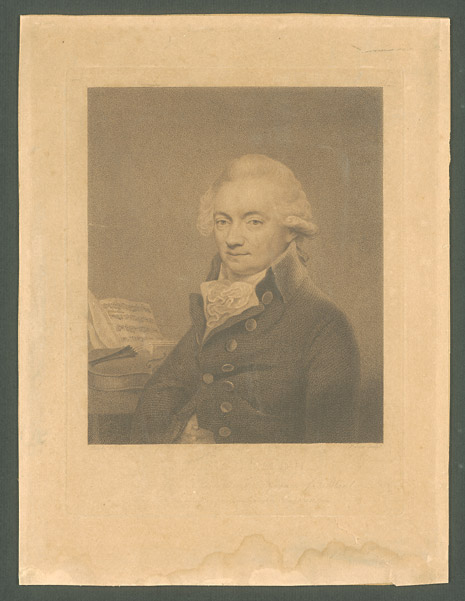
Copper engraving by Georg Siegmund Facius after a painting by Thomas Hardy, 1792
Beethoven-Haus Bonn, B 114
Just like Beethoven, violin player Johann Peter Salomon (1745–1815) was born in Bonn and grew up in the Beethoven-Haus of today. As a 13-year-old he was admitted to the Prince-Elector's Bonn Court Chapel, as Beethoven would be 24 years later. Later Salomon became Concert Master serving Prince Heinrich of Prussia. Around 1780 he settled in London where he played a major role in musical life until his death. As violin virtuoso, orchestra director and concert entrepreneur he had much success and also belonged to the founders of the Philharmonic Society. Together with George Smart and Ferdinand Ries, Salomon promoted Beethoven's music in England. He later occasionally engaged in correspondence with Beethoven in Vienna concerning possible publication of Beethoven's music. When Salomon died, Beethoven was very moved: "Salomon's death inflicts pain on me because he was a noble man whom I remember from my childhood days."
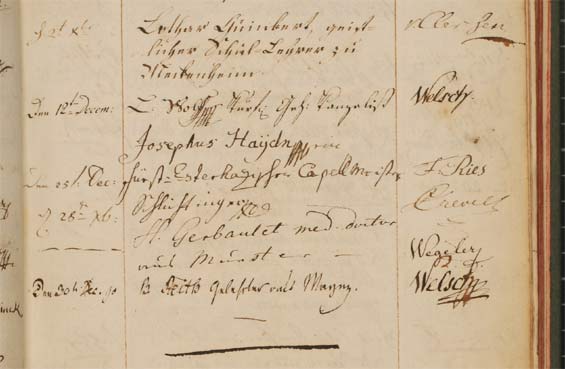
During his successful activity as head-hunter, Salomon managed to bring the renowned Joseph Haydn from Vienna to the British centre of music twice, namely in 1791/92 and 1794/95. This achievement is even mentioned on his tombstone: "He brought Haydn to England in 1791 and 1794". On their first journey together they passed through his hometown of Bonn where some of his relatives still lived. On Christmas Day in 1790 Beethoven's violin teacher Franz Anton Ries introduced Joseph Haydn as a guest to the "Lesegesellschaft" (reading society) founded three years earlier. Certainly, Salomon, who on his outward journey had attended the reading society on 1 October in the company of two guests from London, was there, too. Hence on this occasion Beethoven not only met his future teacher but also made a first contact with England, although in a less direct way.
Beethoven-Haus Bonn, NE 166
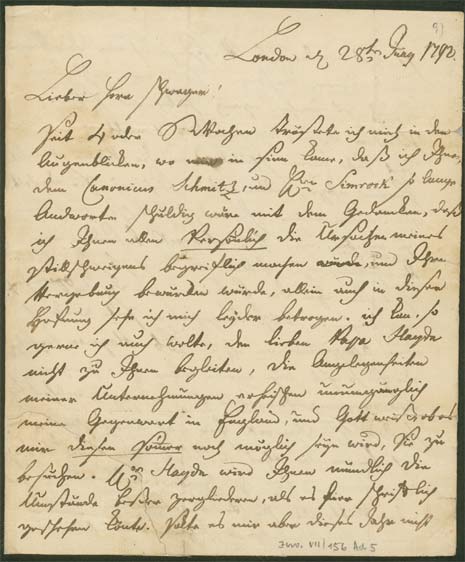
Salomon was not able to accompany Haydn on his journey back home in 1792. In a letter to his brother-in-law Geiger in Bonn he expresses his regret: "As much as I wanted I am not able to accompany dear father Haydn on his way to you, because the matters of my business are calling for my presence in England. Mr. Haydn will tell you the reasons better." The expression "father Haydn" shows both a particular closeness and respect. The letter also says that Salomon purchased the piano reductions of two operas by Wolfgang Amadeus Mozart from Bonn publisher Nikolaus Simrock.

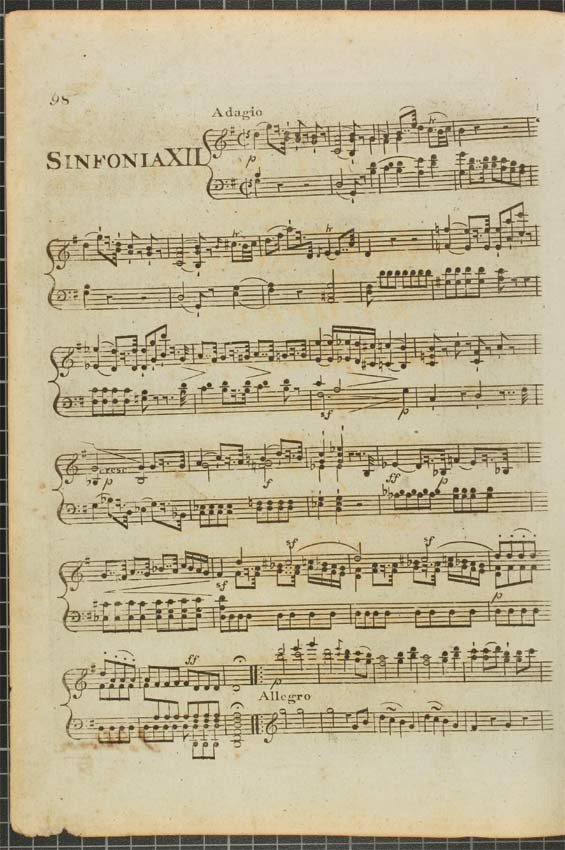
Beethoven-Haus Bonn, C Hayd/106
Haydn wrote his last twelve symphonies – still referred to as the "London Symphonies" – for Salomon and his concert series. According to the agreement the composer ceded all rights thereof to Salomon. Salomon then adapted the pieces for chamber music instrumentation and published them in his own publishing house even before the first publication of the orchestra parts. The transformation of Haydn's "Military Symphony" No. 100 for piano trio bears Salomon's hand-written name on the cover sheet.
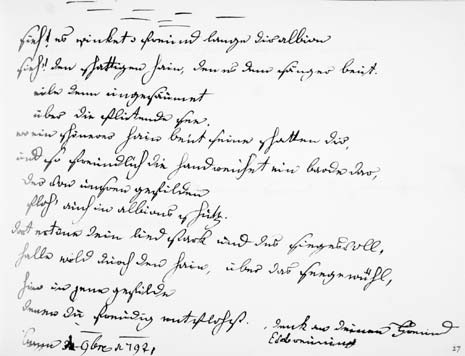
Thanks to a grant of the Prince-Elector, when Beethoven left Bonn in 1792 like Salomon 27 years before to take lessons with Haydn in Vienna, his Bonn friends gave him a "book of memories" filled with good wishes for his future as a farewell gift. Christoph von Breuning's farewell greeting indicated Beethoven would also travel to London: "Look! Long time, my friend, Albion [ancient name for the British Isles] has been waiting for you, see the shady groves it offers the singer" ("sieh! Es winket Freund lange dir albion / sieh! den schattigen Hain, den es dem Sänger beut"). When Haydn travelled to London for his second visit in 1794/95 one wondered whether the young Beethoven would accompany his teacher. However, Beethoven remained in Vienna, and even in the future he would never set his foot on London soil.
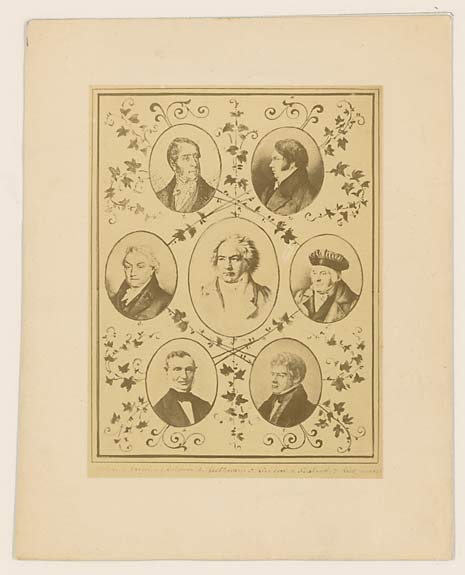
Photograph of an anonymous ornamented sheet for Ludwig van Beethoven and Bonn musicians Wessel,
Peter Grabeler, Johann Peter Salomon, Franz Anton Ries, Wilhelm Neuland and Ferdinand Ries
Beethoven-Haus Bonn, B 401
Another Bonn native, Ferdinand Ries (1784–1838), son of Beethoven's violin teacher Franz Anton Ries (who once was a pupil of Salomon), followed Beethoven to Vienna in early 1803 and became his piano pupil. A few years later he travelled around the world as a piano player and settled in London in 1813. After only two years he was named a director of the Philharmonic Society. Although in this position he was able to regularly promote the presentation of Beethoven's works in London, he did not manage to bring the composer to London. Out of the seven Bonn musicians depicted on the ornamented sheet, three (Beethoven, Salomon and Ferdinand Ries) significantly influenced musical life in England in the first third of the 19th century.
Beethoven's relationship to Great Britain
Folk song collector George Thomson
George Thomson (1757–1851), a public servant and passionate folk song collector living in Edinburgh, strove to save the folk melodies of his home country from falling into oblivion. His suggestion directed to Beethoven to compose six sonatas about Scottish melodies marks the beginning of Beethoven's evident relationship to Britain. Beethoven's reply letter dated 5 October 1803 is the composer's first letter across the Channel. Although the project was never carried out because the parties involved were not able to come to an agreement, a vivid business contact developed until 1820. At the end of October Beethoven offered the piano variations on the English folk songs "God save the King" and "Rule Britannia", WoO 78 and 79 for printing. "Je vous envoie ci joint des Variations sur 2 thêmes anglais, qui sont bien faciles et qui, à ce que j'espère, auront un bons succès." With his suggestion Thomson might have initiated the composition of the variations on these melodies that even people on the Continent knew and cherished. Both pieces were first published in Vienna. Half a year later Clementi published "God save the King" in London but it took two decades for "Rule Britannia" to be published by an English publishing house. Beethoven used both melodies again in 1813 for his "Grand Battle Symphony", op. 91.
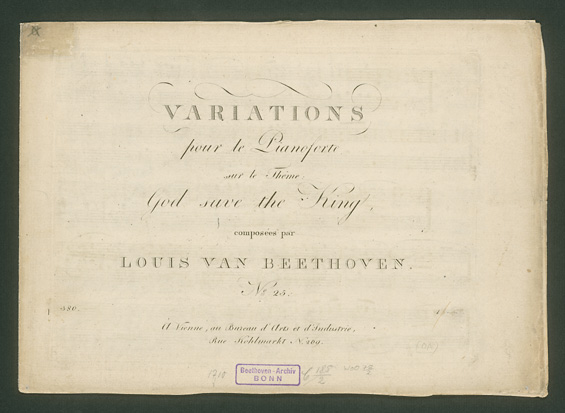
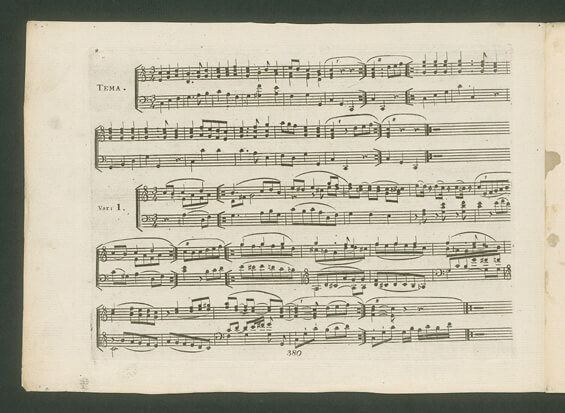
Original edition, Bureau des Arts et d'Industrie, Vienna 1804
Beethoven-Haus Bonn, C WoO 78/2
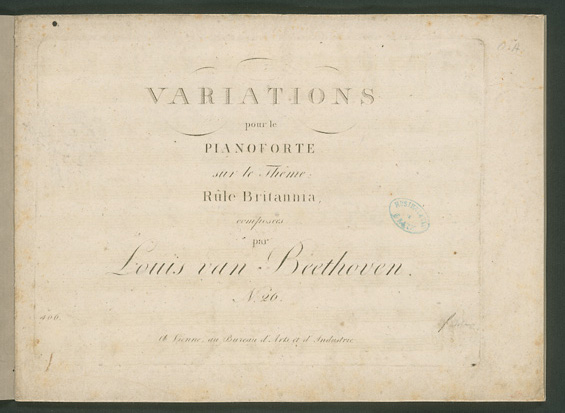
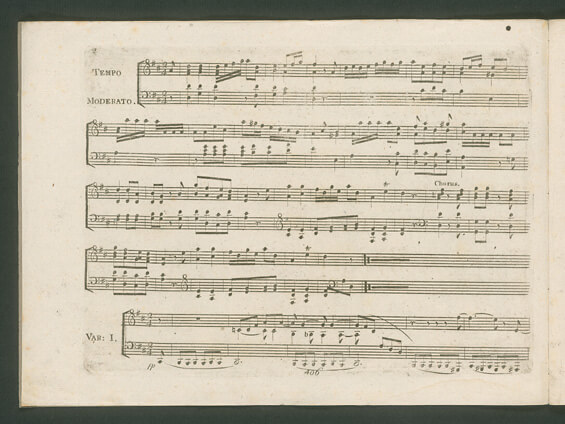
Original edition, Bureau des Arts et d'Industrie, Vienna 1804
Beethoven-Haus Bonn, C WoO 79
As a result of Beethoven's letter dated 23 November 1809 George Thomson drew up the following calculation. Thomson had offered Beethoven 60 Pounds Sterling (equal to 120 gold ducats) for three quintets and three sonatas, but the composer demanded double the sum due to the weak exchange rate and the difficult war-induced situation. For each work category Thomson now earmarked a remuneration of 40 Pounds instead of the offered 30 Pounds (an envelope at the British Library addressed to him shows another calculation on the inside stating 50 Pounds). Thomson calculated that only with 410 and 440 copies sold would the costs be covered. As he considered the deal too risky, it was never closed. On the back of the calculation Thomson briefly summarised Beethoven's letter in which the composer also wrote that he was working on the 43 songs Thomson had sent.
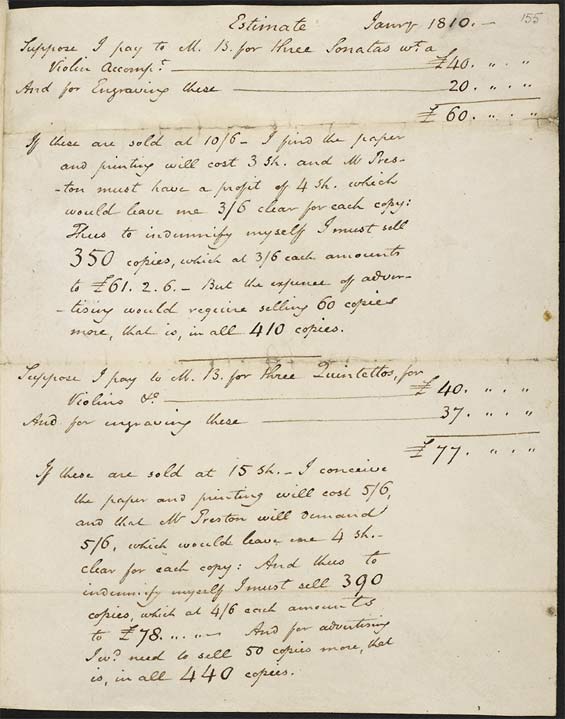
The British Library
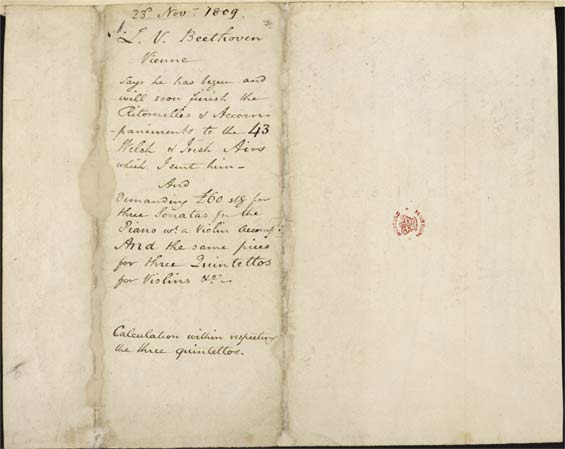
Reproduced with the permission of the British Library Board
"Estimate January 1810.-
Suppose I pay to M[ister] B[eethoven] for three Sonatas w[i]t[h] a Violin Accompag[nemen]t £
40,-
And for Engraving these 20,-
£ 60 .'' .''
If these sold at 10/6 – I find the paper and printing will cost 3 sh.[illing] and Mr Preston
must have a profit of 4 sh. which would leave me 3/6 clear for each copy: Thus to indemnify
myself I must sell 350 copies, which at 3/6 each amounts to £ 61. 2. 6.- But the expence of
advertising would require selling 60 copies more, that is, in all 410 copies.
Suppose I pay to M. B. for three Quintettos, for Violins & £ 40,-
And for engraving these £ 37,-
[sum] £ 77,-
If these are sold at 15 sh.- I conceive the paper and printing will cost 5/6, and that Mr
Preston will demand 5/6, which would leave me 4 sh.- clear for each copy: And thus to indemnify
myself I must sell 390 copies, which at 4/6 each amounts to £ 78,- And for advertising I w[oul]d
need to sell 50 copies more, that is, in all 440 copies.
[verso:]
23d Nov. 1809 L. v. Beethoven Vienne
Says he has begun and will soon finish the Ritornelles & Accompagniments to the 43 Welsh
& Irish Airs which I sent him –
And
Demanding £ 60 sg for three Sonatas for the Piano w[ith] a Violin Accomp. And the same price for
three Quintettos for Violins &
Calculation within respecting the three quintettos."
Thomson hoped to increase the folk melodies' popularity by means of a contemporary composition. By adapting the pieces for piano trio – then popular for making music at home – he wanted to give the British bourgeoisie an insight into "original" music. He ordered these arrangements from renowned composers such as Joseph Haydn, Leopold Kozeluch, Ignaz Pleyel and Beethoven. All in all 150 song arrangements by Beethoven of Irish, Welsh and Scottish songs have been preserved. In September 1809 Thomson had sent Beethoven 43 melodies and explicitly asked for an easy piano part. He would do so repeatedly in the future. In the mentioned letter dated November 23rd Beethoven pointed out that this was a less pleasant task for an artist but surely good for business. Initially he received three ducats for each arrangement, later on four and then five. He also asked to obtain the texts in the future, a request Thomson did not and could not fulfil. The text is not identical with that of the original folk songs but Thomson had famous poets such as Robert Burns and Sir Walter Scott write new lines for the completed arrangements. In July 1810 Beethoven sent the final 53 arrangements each consisting of three copies (one by himself and two by copyists) to England by various means. Thomson, however, waited in vain. The present copy was a gift from Beethoven to his pupil Archduke Rudolph. In the summer of 1811 he borrowed it to make a new one for Thomson. The receipt of this copy was confirmed in early August 1812.
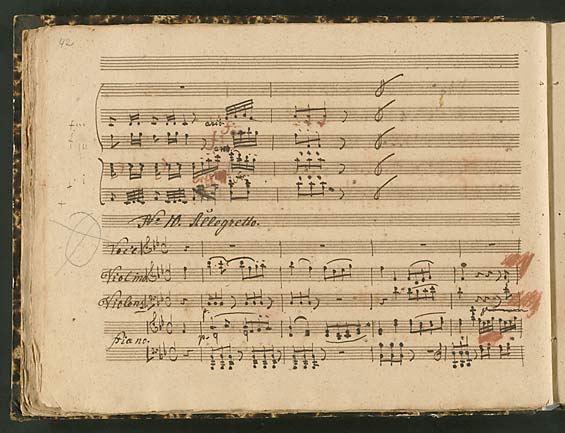
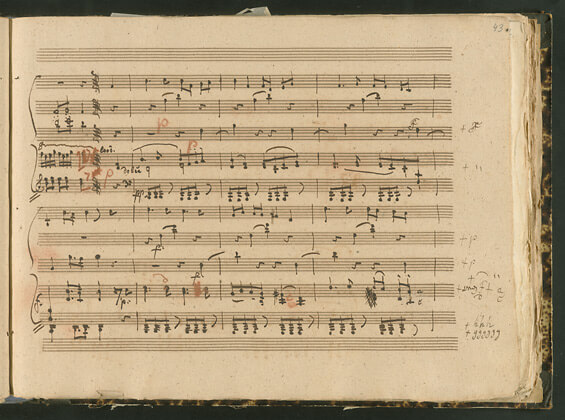
Beethoven-Haus Bonn, BH 92
Displayed is the song "The Golden Robe", WoO 155 No. 5. In 1817 Thomson published the arrangement
in the "Welsh Songs".
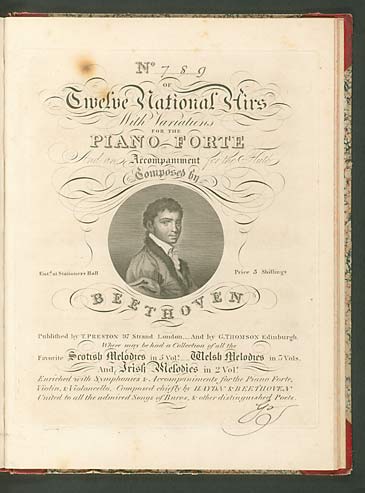
In 1814 the first of two volumes of the "Irish Songs" and in 1817 the third and last volume of the "Welsh Songs" with Beethoven's contribution were published. Thomson served as editor and the London music publishing house Preston printed and marketed the folk song arrangements. The book-friendly folio format editions feature elaborate copper engravings.
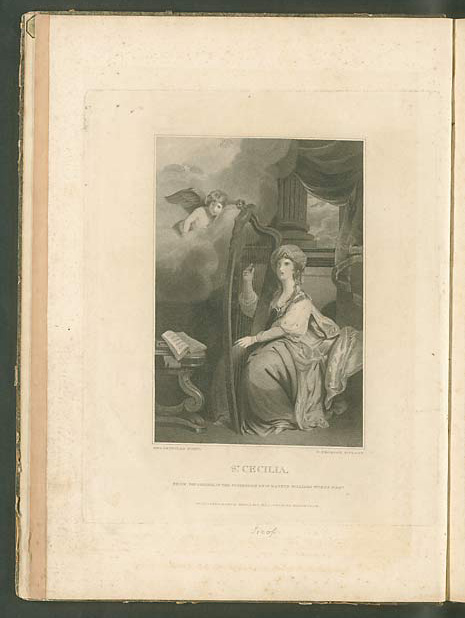
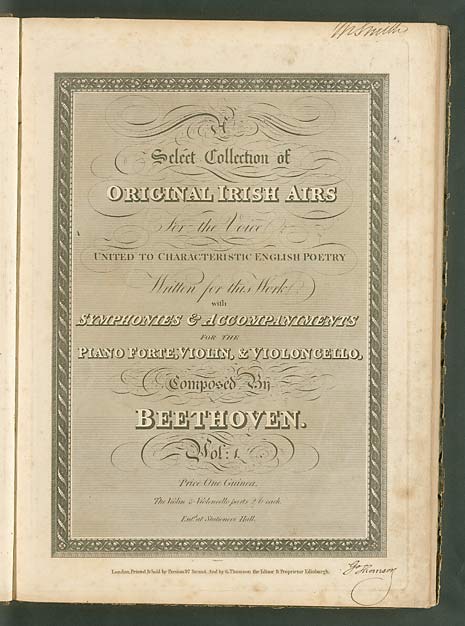
Original edition, 1814
Beethoven-Haus Bonn, C 252/31
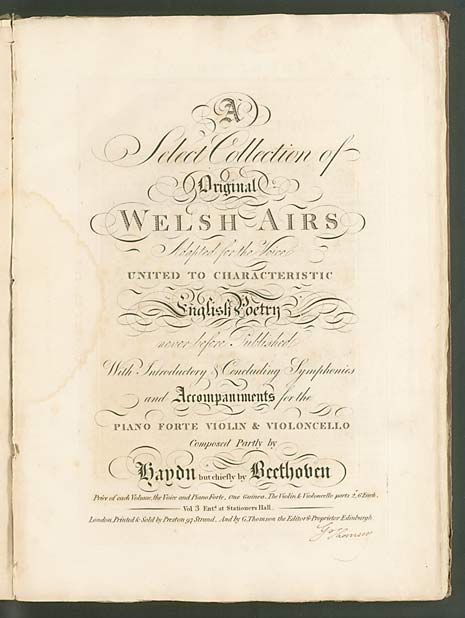
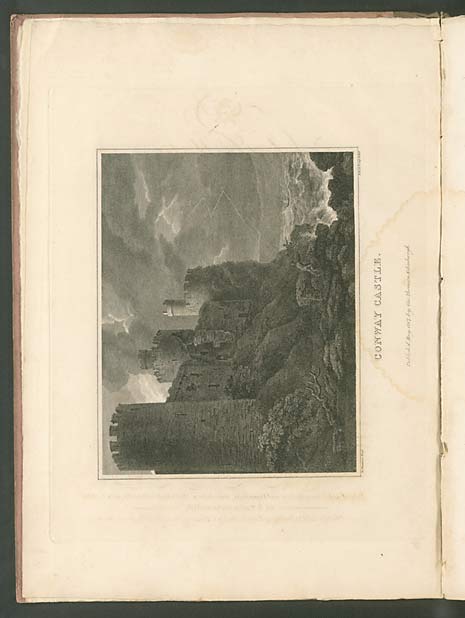
Engraving of Conway Castle
Beethoven-Haus Bonn, HCB C Md 125
Beethoven's relationship to Great Britain
Folk song collector George Thomson
After agreeing on a remuneration of four ducats for each song arrangement in 1814 Beethoven requested a subsequent
payment for three Scottish songs delivered later (Thomson regularly asked Beethoven to simplify his arrangements). In a letter from March 1818 Beethoven claimed he had only received three ducats instead of the
determined remuneration. Thomson, however, replied that the bill issued by the Fries bank certainly stated 12
ducats. Either Beethoven was mistaken or Fries had written the bill only after Beethoven had asked him to do
so.
Beethoven also mentioned that he had the English texts translated, thus it can only be pieces that were
already published in the "Irish Songs" or "Welsh Songs". Probably the translations were done for a planned
publication by the Vienna publisher Steiner. Beethoven offered Thomson piano variations on these melodies at a
price of nine ducats each.
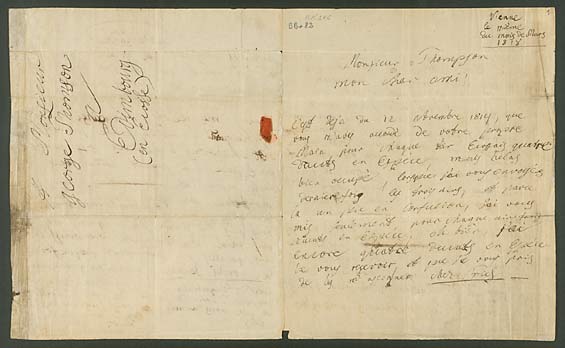
Beethoven-Haus Bonn, HCB BBr 82
"Monsieur Thompson
mon cher ami!
C'est deja du 12 Novembre 1814, que vous m'aves accordè de votre propre Main pour chaque Air
Ecossais quatre ducats en Espéce, mais helas bien occupè, lorsque j'ai vous envoyés dernier fois
les trois airs, et parce la un peu en confusion, j'ai vous mis seulement pour chaque air trois
ducats en Espéce, eh bien, j'ai encore quatre ducats en Espéce de vous reçevoir, et que je vous
pris de les m'assigner chez Fries -"
In addition to Beethoven's 25 Scottish songs op. 108, the fifth and last volume of the "Scottish Songs" series published in 1818 contains four songs by Joseph Haydn and the quite popular cantata "The Jolly Beggars" by Robert Burns with a melody by Henry Rowley Bishop. Beethoven had rejected the composition before. Thomson had asked both to compose the violin part in such a way that it could also be played with a flute. He hoped this would increase sales. The sales of Beethoven's song arrangements were far below the sales of the first editions featuring arrangements by Haydn and Kozeluch. The editor believed Beethoven's complex style was the reason for the decreased revenue. In his last letter to Thomson from May 1819 Beethoven, now angry at Thomson for his ongoing request for simplicity, explained that he could not regard this as a criterion and that he hardly found the courage to call the pieces his own.
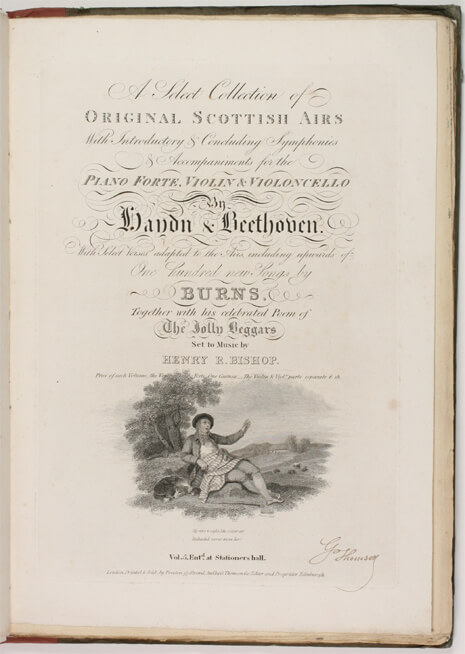
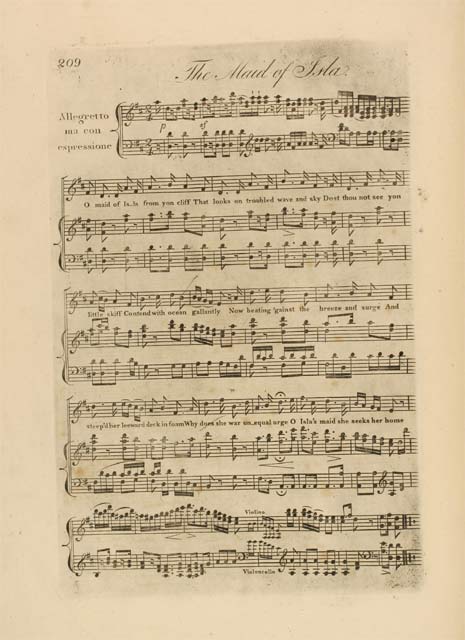
Beethoven-Haus Bonn, C 252/136
Music sheet with text: Beethoven composed introduction and ritornello as well as the piano trio
accompaniment. Displayed is the adaptation of the Gaelic melody "The Maid of Isla". Sir Walter
Scott, the famous Scottish poet, wrote the text.
As already mentioned, Beethoven, who was quite the adept businessman in using his compositions several times, later tried to sell the compositions also on the Continent. He did so in Berlin in 1820. Publisher Adolph Martin Schlesinger showed an interest in the songs and arranged a German edition in 1822. One copy created by two different copyists, reviewed and corrected by Beethoven, was used for the engraving. Franz Oliva, a friend of Beethoven and his voluntary secretary, underlaid the English text of the songs. Schlesinger commissioned Samuel Heinrich Spiker, publisher and librarian of the Berlin Royal University, to translate the text into German for later addition.
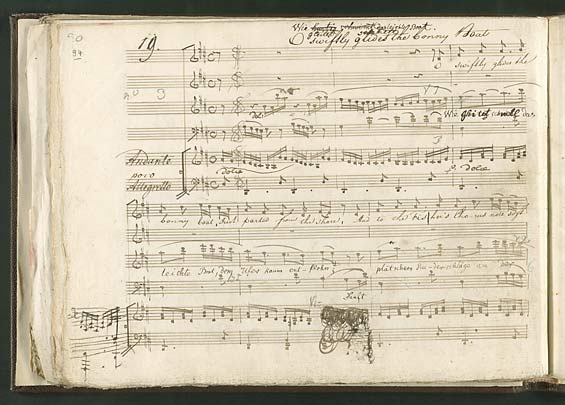
Beethoven-Haus Bonn, HCB Mh 52
To facilitate the promotion of the songs in the German market Schlesinger had the edition printed bilingually in English and German. Originally, the songs were written in a Scottish dialect, something which did not make translating them an easy task. Thus, the German translation is not always the best. Beethoven recommended that Schlesinger commission Carl Friedrich Zelter, a close friend of Goethe, to correct the translations but the publisher decided in favour of the original.
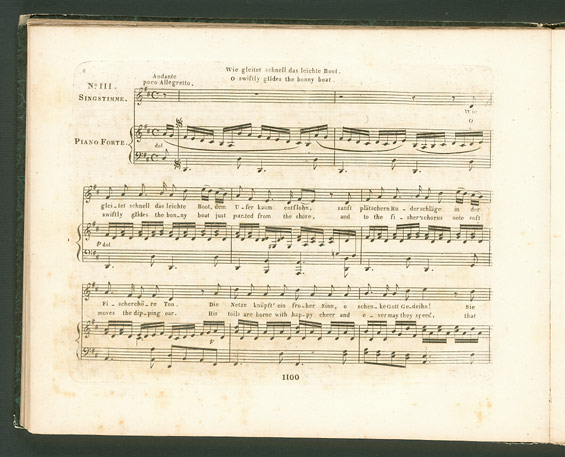
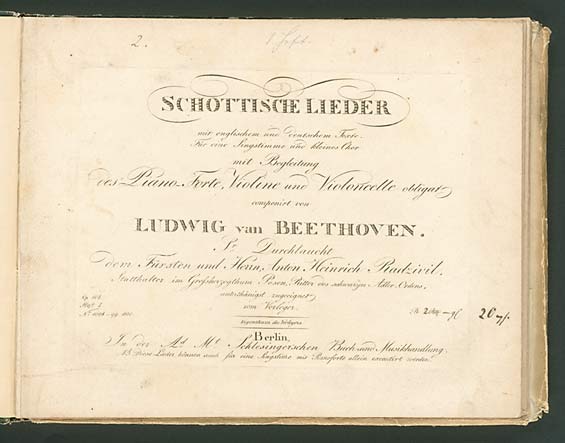
German original edition, Schlesinger, Berlin 1822
Beethoven-Haus Bonn, C 108/7
During the arrangement of the folk songs Thomson had asked the composer to include a few European melodies. However, it proved impossible to underlay these with English poetry. In 1818 Thomson commissioned Beethoven to compose variation cycles for piano and flute on some of these and other subjects that had partially been published as song arrangement before (op. 105 and op. 107). Displayed are the Russian theme "Beautiful Minka" and the first variation on the Welsh melody "Peggy's Daughter". Beethoven wrote: "for the theme the flute plays in 8va with the piano but only the melody" ("zum Thema die Flöte in 8va mit dem Klawier jedoch nur mit der Melodie"), wherever the flute is not mentioned it plays the piano's melody part. The note in the margin is from Beethoven's secretary Anton Schindler who dated the handwriting too early: "This composition by Beethoven dates [crossed out: 'either'] from 1816. [crossed out: 'or 1819'] A. Schindler." ("Nb. Diese Komposition Beethovens fällt [crossed out: 'entweder'] in das Jahr 1816. [crossed out: 'oder 1819'] A. Schindler.")
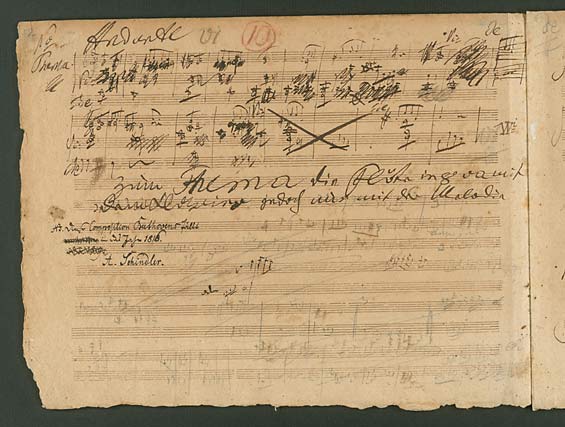
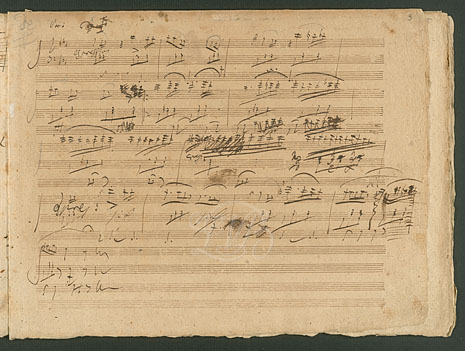
Variation on "Peggy's Daughter"
Beethoven-Haus Bonn, BH 70
In 1819 Thomson published nine of the delivered piano variations. According to the title 12 were planned originally. The collection was published in three books, each with an elaborate engraved title page. It contains three Irish, three Welsh (among them as No. 8 the subject shown above), one Scottish, one Austrian and one Russian subject ("Beautiful Minka" as No. 7).
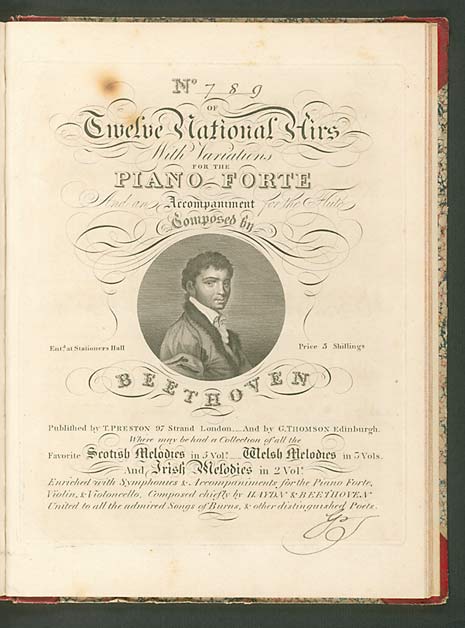
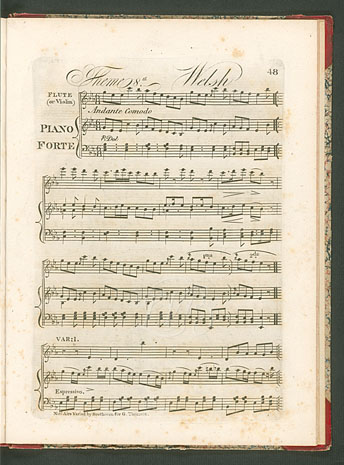
Variations on "Peggy's Daughter"
Beethoven-Haus Bonn, C Md 130,2
Beethoven's relationship to Great Britain
Composer and publisher Muzio Clementi
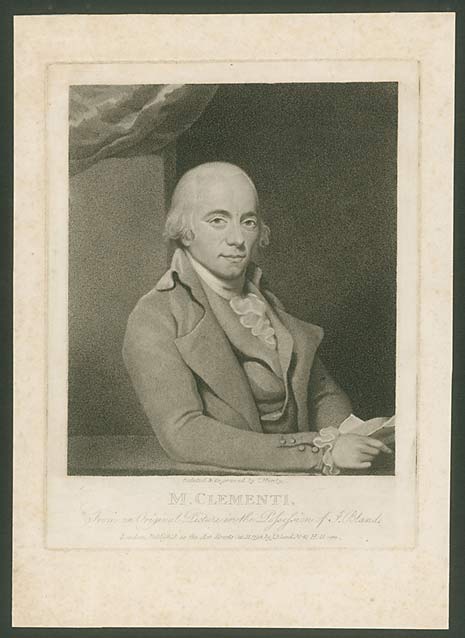
Copper engraving by Thomas Hardy after a painting of his own, 1794
Titled: "M. CLEMENTI. / From an Original Picture in the Possession of J. Bland. / London,
Published as the Act directs Oct. 31.1794, by J. Bland, No. 45 Holborn."
Beethoven-Haus Bonn, B 1988
Already at the age of thirteen, Muzio Clementi, born in Rome in 1752, was "bought" for seven years by an English traveller who noticed Clementi's exceptional talent as organ and harpsichord player, and spent this time on an English country estate, deeply involved in studies. From 1774 he lived in London where he performed stirring piano sonatas in concerts, something still quite unusual at that time. In the following years he made himself a name in the London musical life as piano player and teacher. In the early 1780s Clementi undertook a long concert journey through Europe. Later he also worked as a music publisher and piano manufacturer. In 1798 the famous piano factory "Longman & Broderip" was renamed "Clementi & Co.". With Clementi as director the company not only built pianos but also published works written by all famous musicians of that time. When the Philharmonic Society was founded in 1813, Clementi was named one of the six directors and often took part in their concerts with great passion.
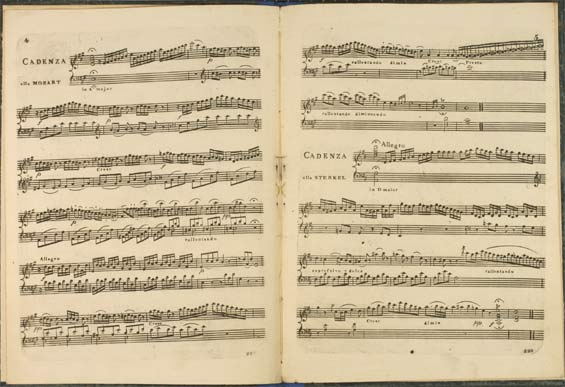
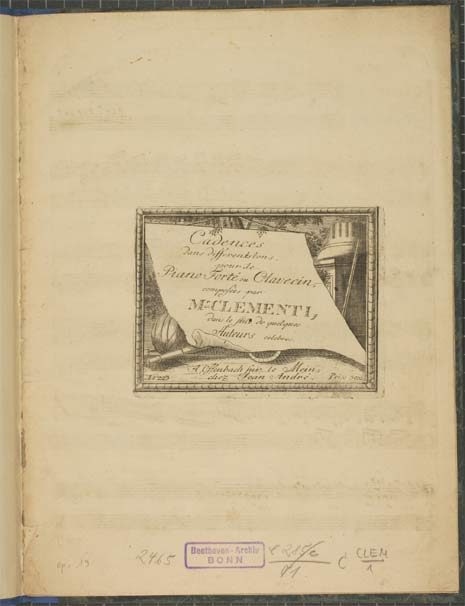
Beethoven-Haus Bonn
The cadenzas, composed in the style of renowned composers Joseph Haydn, Leopold Kozeluch, Wolfgang Amadeus Mozart, Franz Xaver Sterkel and Johann Baptist Vanhal and complemented by an individual one, represent a type of musical anthology that should clearly demonstrate Clementi's knowledge of the works of his fellow composers as well as his own musical flexibility. On Christmas Eve of 1782 Clementi competed with Mozart in a musical competition in the presence of Emperor Joseph II and the Russian Tsar Paul I without suffering any damage to his name. At that time cadenzas were only noted and printed in exceptional cases. Hence, the collection is of historical relevance as it shows the unwritten formal canon that served as a pattern for cadenzas. Beethoven with his very individual, if not to say revolutionary cadenzas would have quickly shown any contemporary imitating this style his limits.
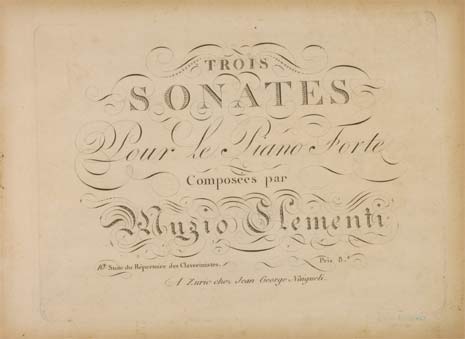
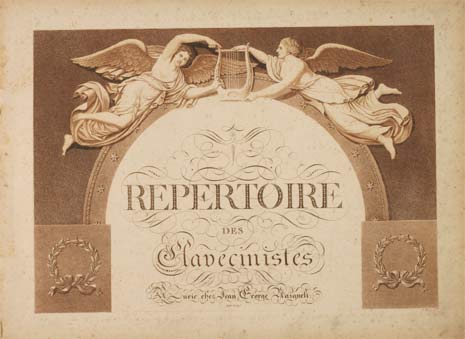
Beethoven-Haus Bonn, C 252/20,1
The sonatas op. 25 were published in 1804 as "10. Suite du Répertoire des Clavecinistes", a series edited by the Zurich publishing composer Johann Georg Nägeli. The ensuing eleventh instalment then contained Beethoven's Sonata "Pathétique", op. 13 and the first print of the Sonata in E flat Major op. 31 No. 3. From a publisher's point of view, Clementi and Beethoven were then on a comparable level. In his piano sonatas the elder now and then elaborated on approaches for the future which the younger must have studied with attention during his first years in Vienna. Later Clementi self-confidently added a selection from his over fifty-year-long working life to the fairly well-known piano study programme with the sophisticated title of "Gradus ad Parnassum, or The Art of Playing on the Piano".
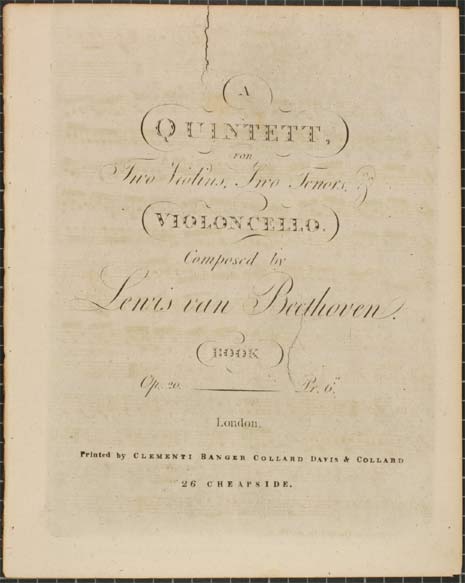
Beethoven-Haus Bonn, C 20/1
The copy is a later edition of the reprint by Clementi, Banger, Hyde, Collard & Davis dated 1807. The septet's original edition was published by the Franz Anton Hoffmeister publishing house in Vienna and Leipzig in 1802. In an announcement in the Vienna newspaper, Beethoven explicitly wrote that only the publisher was responsible for the transformation into a smaller instrumentation deemed only for string instruments. The visible plate cracks on the title page, a sign of wear, prove that many copies of this edition were printed which in turn indicates that the quintet was also very popular in England. From 1802 until 1810 Clementi went on a long journey to the Continent, selling his own and other works to publishers and accepting the works of other composers for publishing purposes. In April 1807 he met Beethoven in Vienna. In a letter to his business partner Collard he described the meeting: according to Clementi, Beethoven started grinning at Clementi in public places. Of course, he tried hard not to discourage the young composer. Finally, he was able to conquer the "haughty beauty Beethoven", a term that may be interpreted in various ways and encompasses various meanings from "proud" to "noble" to "arrogant". When Clementi first visited Beethoven at his place, he praised some of his compositions effusively and was able finally to conclude an agreement covering the following pieces: the 4th Piano Concerto op. 58, the Three String Quartets op. 59, the 4th Symphony op. 60, the Violin Concerto op. 61 and an arrangement of the piano concerto as well as the "Coriolan" Overture, op. 62. Beethoven received 200 Pounds. However, only the string quartets and the violin concerto, i.e. the arrangement thereof which Clementi had suggested himself, were later printed. Although Beethoven gave notice when the Vienna editions were published to facilitate the simultaneous edition of the English editions, those were printed with a delay of two years.

Royal College of Music, London
English original edition in parts, Clementi, London 1810
Beethoven made the piano arrangement – possibly with the support of an assistant – at Clementi's request; it was
published at the same time as the original version. Today, only one single copy remains and is now in possession
of the Royal College of Music in London. In the field of concertos the piano version did not break any ground.
Its purpose is more of a "second use", arising from material necessity rather than artistic conviction. In any
case Beethoven wrote the piano version "for" piano player Clementi and not for use within his own concerts.
In 1810/11 Beethoven's opp. 73 to 82 were published as "first" original editions. All were published shortly
before the German parallel editions by Breitkopf & Härtel. The string quartet, op. 74, was published two months
earlier. The title cover explicitly mentions the other Beethoven editions published only a short time before:
"Where may be had just Published by the above Author, A Concerto / for the Piano Forte. Two Sonatas, for D°.
Thema, with Variations for D°. / A Fantasia for D°. and a Concerto for the Violin." Meant here are the piano
version of the Violin Concerto, op. 61, the Piano Sonatas opp. 78 and 79, the Piano Variations op. 76, the Piano
Fantasy op. 77 and the original version of the Violin Concerto. Here, the string quartet is labelled with opus
number 62 because Clementi continued counting from his last Beethoven edition. The piano sonatas were then
published as op. 63, the Piano Concerto, op. 73, as op. 64 and the Choral Fantasy, op. 80, as op. 65. The other
editions did not have an opus number.
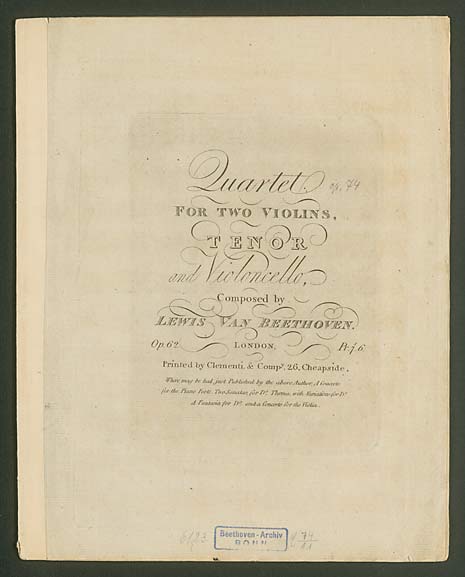
English original edition, Clementi, London 1810
Beethoven-Haus Bonn, C 74/11
Composer and publisher Muzio Clementi
Piano arrangement of the Violin Concerto (D Major) op. 61
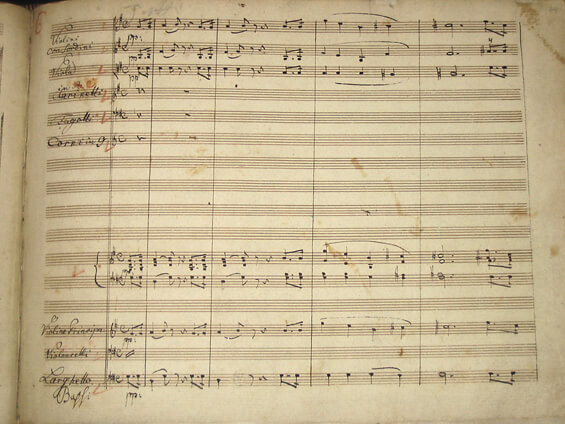
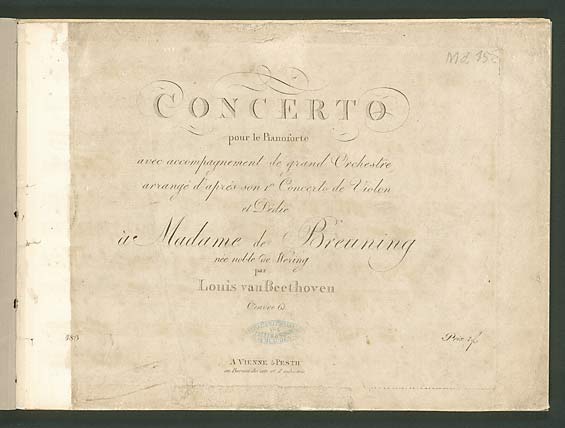
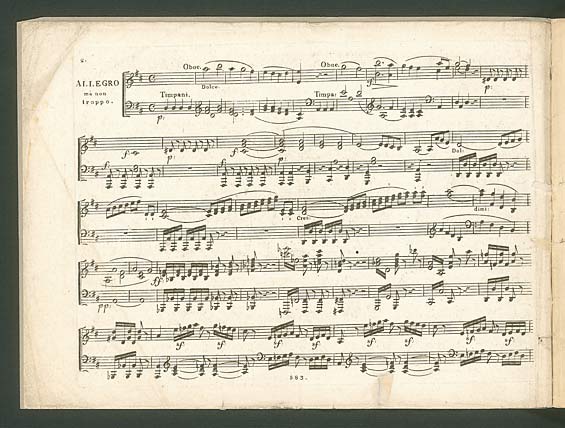
One copy of the piano version suggested by Clementi and thoroughly revised by Beethoven still exists. The composer corrected notes, added dynamic markings, legato markings, pedal and performance instructions such as "dolce" and "pizz[icato]", missing clefs, pauses etc. The solo part shows signs of scraping. Many corrections are indicated with a little cross in the margin.
The British Library
The British Library
Reproduced with the permission of the British Library Board
On display is the beginning of the second movement featuring hand-written additions – above with
pencil "Tutti" and below with ink "Bassi".
During the piano transformation Beethoven also reviewed the part of the solo violin between May and June 1807. The piano and orchestra version was printed in August 1808, three months later than the "original version" for violin and orchestra. Whereas the piano arrangement probably never would have been created without the suggestion of the English publishing house, the London edition was published only after two years.
German original edition, Bureau des Arts et d'Industrie, Vienna 1808
Beethoven-Haus Bonn, HCB C op. 61
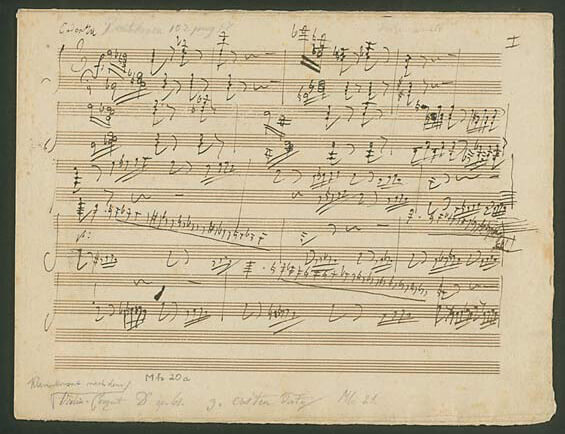
Whereas only one copyist's score corrected by Beethoven of the arrangement remains, original cadenzas written by him for this concerto have been preserved. Displayed is the cadenza for the first movement. The length is rather unusual – 12 handwritten pages! A second manuscript, a timpani part, accompanies the piano part. To accompany the solo piano part with timpani when playing the cadenza is something unheard of in piano literature (until Alexander Glazunov did it again many decades later). Already at the beginning of the concerto the timpani have a prominent function: with four strikes they open the work. Maybe Beethoven wanted to strengthen and confirm this role in the cadenza. In the past, the handwritten cadenza was part of the musical collection of Beethoven's pupil Archduke Rudolph of Austria, a fine piano player.
Beethoven-Haus Bonn, HCB Mh 20a
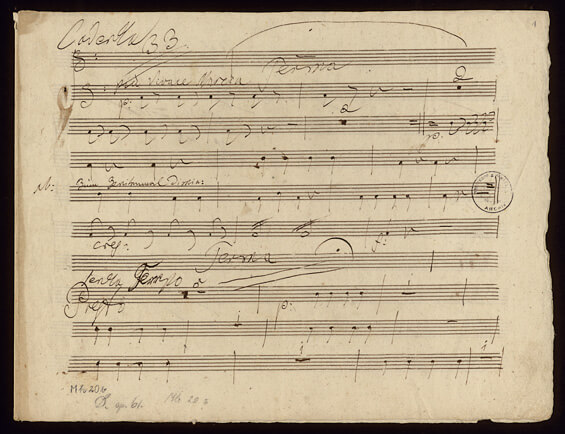
Beethoven-Haus Bonn, HCB Mh 20b
Beethoven's relationship to Great Britain
Publisher Robert Birchall
After having sold a total of 13 works to the Vienna publisher Sigmund Anton Steiner in early 1815, Beethoven tried to arrange for a parallel English edition for these pieces, too. A request directed to Sir George Smart in this matter remained unanswered. Two and a half months later Beethoven offered the compositions to Johann Peter Salomon in order to bring them to an English publisher (both letters are shown on the following pages). Salomon managed to sell at least four pieces: for 130 Dutch gold ducats London publisher Robert Birchall bought the Violin Sonata op. 96, the "Archduke Trio", op. 97 and the piano reductions of the Seventh Symphony op. 92 and of the "Grand Battle Symphony", op. 91. Beethoven's former pupil and friend Ferdinand Ries, who spent ten years of his life in London, carried out the corrections for Birchall and settled further details between composer and publisher such as publication dates.
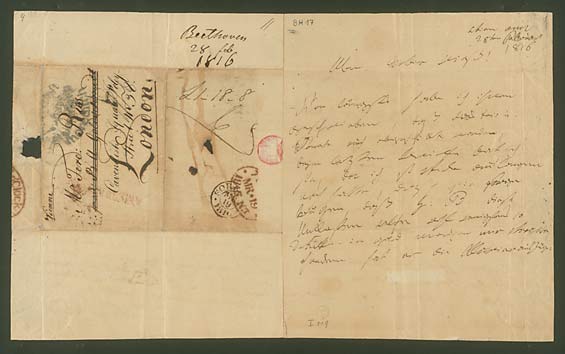
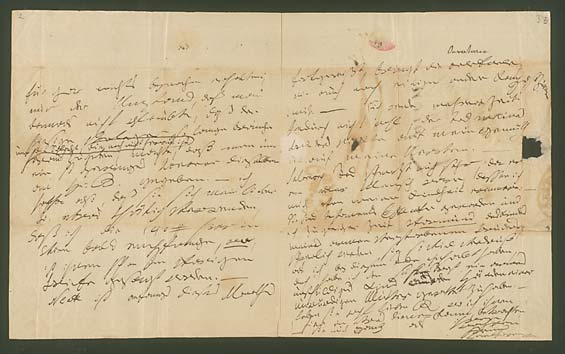
"Vien am 28ten Februar 1816
Mein lieber Rieß!
Schon längst[en]s habe ich ihnen geschrieben, daß das trio u. Sonate auch abgeschikt worden,
beym lezten Briefe bat ich sie, da ich so viele auslagen noch hatte, daß sie sorge trügen, daß
H.[err] B.[irchall] diese Unkosten welche wohl wenigstens 10 dukaten in Gold machen mir vergüte,
ohnedem hat er die Klawierauszüge für gar nichts beynahe erhalten [...]"
Beethoven-Haus Bonn, BH 17
In the meantime Beethoven had sent all four compositions to London and now requested the publisher reimburse him for the costs for copying and postage in addition to his payment. ("It is very little for an Englishman but a lot more for a poor Austrian musician!"). On 10 February he sent Ries a detailed bill stating additional expenses of ten ducats. Besides, he expressed his sorrows about Salomon's death for whom Ries served as executor of his will: "Salomon's death inflicts pain on me because he was a noble man whom I remember from my childhood days."
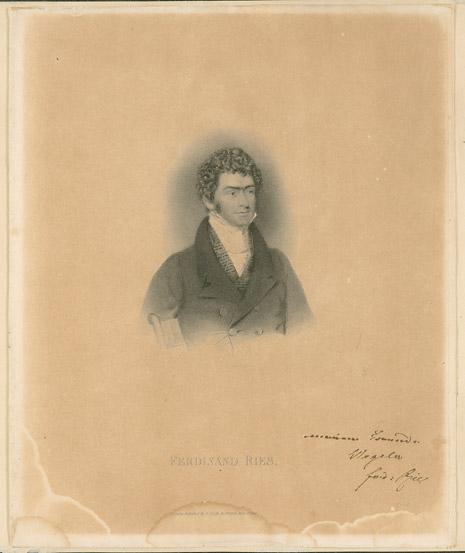
Copper engraving by Charles Picart, probably after a drawing of his own, 1824
Beethoven-Haus Bonn, Collection Wegeler, W 161
In 1824 Ries returned to the Rhineland. Shortly before, this portrait was created and published in the English music magazine "The Harmonicon". Ries gave a copy to his old Bonn friend Franz Gerhard Wegeler (1765–1848) as a gift and added the following handwritten dedication: "to my friend Wegeler Ferd: Ries" ("meinem Freunde Wegeler Ferd: Ries"). The title quote of the exhibition "Where your compositions are preferred to any other" was taken from a letter from Ferdinand Ries to Beethoven.
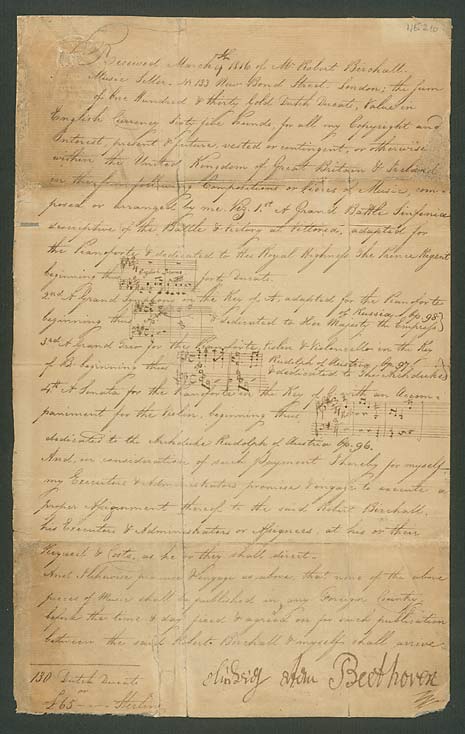
Beethoven-Haus Bonn, NE 210
The document bears a handwritten signature. The text reads:
"Received March 9th 1816 of Mr. Robert Birchall. Music Seller. No. 133 New Bond Street. London;
the sum of One Hundred & thirty Gold Dutch Ducats, Value in English Currency Sixty-five
Pounds, for all my Copyright and Interest, present & future vested or contingent, or
otherwise within the United Kingdom of Great Britain & Ireland in the four following
Compositions or Pieces of Music, composed or arranged by me. Viz. 1st A Grand Battle Sinfonia
descriptive of the Battle & Victory at Vittoria, adapted for the Pianoforte & dedicated
to His Royal Highness The Prince Regent beginning thus [incipit follows] forty Ducats.
2.nd A Grand Symphony in the Key of A, adapted for the Pianoforte beginning thus [incipit
follows] & dedicated to Her Majesty the Empress of Russia Op. 98
3.rd A Grand Trio for the Pianoforte, Violin & Violoncello in the Key of B. beginning thus
[incipit follows] & dedicated to the Archduke Rudolph of Austria Op. 97
4.th A Sonata for the Pianoforte in the Key of G with an Accompaniment for the Violin, beginning
thus [incipit follows] dedicated to the Archduke Rudolph of Austria Op. 96.
And, in consideration of such Payment I hereby for myself, my Executors & Administrators
promise & engage to execute a proper Assigenment therof to the said Robert Birchall, his
Executors & Administrators or Assignees, at his or their Request & Costs, as he or they
shall direct.
And I likewise promise & engage as above that none of the above pieces of Music shall be
published in any Foreign Country, before the time & day fixed and agreed on for such
publication between the said Robert Birchall & myself shall arrive
Ludwig van Beethoven mp
130 Dutch Ducats or ₤ 65 -"-" Sterling"
With the confirmation of ownership Beethoven ceded his rights for publishing in the UK and Ireland of the mentioned compositions to the publisher and undertook to delay publication in other countries until after the pieces had been released in Britain. The compositions are individually listed with incipit, dedicatee and opus number (the Seventh Symphony wrongly named op. 98). The simultaneous publication on the Continent and in Britain should protect any publisher from financial damages caused by unauthorised reprints. Nevertheless, the Vienna publishing house Steiner already published the violin sonata in July 1816 whereas Birchall published the English edition three months later in October. In case of opus 91 Birchall was ahead of Steiner by two months. Also the piano arrangement of the Seventh Symphony was first published in Vienna and two months later in London in January 1817. Obviously, Beethoven never succeeded in giving London exact publication dates. Although the composer must have received his remuneration at the latest in early May, he did not send the signed document to Johann von Häring who took care of his English correspondence to be forwarded to England until September 1816.
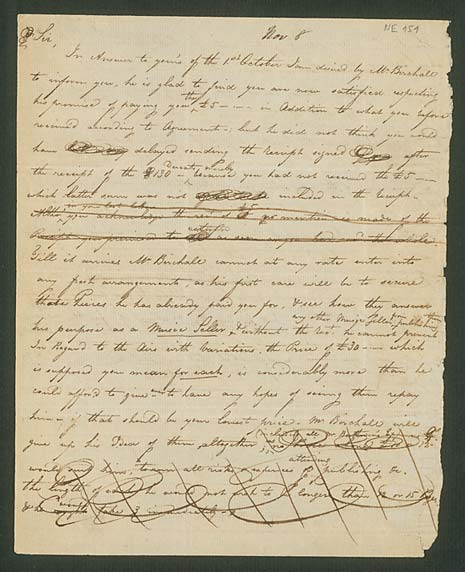
Beethoven-Haus Bonn, NE 151
"Sir,
In Answer to your's of the 1.st October I am desired by M.r Birchall to inform you, he is glad
to find you are now satisfied respecting his promise of paying you the £ 5 - . - . in Addition
to what you before received according to Agreement – but he did not think you would have delayed
sending the receipt signed after the receipt of the 130 – Ducats merely because you had not
received the £ 5 - - which latter sum was not included in the receipt – Till it arrives M.r
Birchall cannot at any rate enter into any fresh arrangement, as his first care will be to
secure those Pieces he has already paid you for, & see how they answer his purpose as a
Music Seller, & without the rec.t he cannot prevent any other Music Seller from publishing
them In regard to the Airs with Variations, the Price of £ 30 - . - . which is supposed you mean
for each, is considerably more than he could afford to give – even to have any hopes of seeing
them repay him – , if that should be your lowest price, M.r Birchall will give up his Idea of
them altogether […]"
Birchall's employee Christopher Lonsdale expresses his contentment with the payment now being complete. Before, he had asked Beethoven to indicate one remuneration sum including all expenses. Lonsdale repeatedly reminded the composer of the confirmation of ownership and assumed Beethoven would not sign the document until he received his additional claim. According to the receipt Beethoven had been reimbursed on 3 August. On 9 September he had also given Peter Joseph Simrock who visited him in Baden the confirmation of ownership along with a short letter addressed to Johann von Häring to be forwarded to London. Obviously the further delay was the fault of the banks. Birchall had also asked Beethoven for variations on folk tunes for piano with violin or cello accompaniment. However, he considered the remuneration of 30 Pounds requested by Beethoven as excessive. With a reference to Birchall's bad health other offers (the Piano Sonata, op. 101 and a never completed Piano Trio in F Minor) were refused. The cooperation stopped. As late as December 1816 Birchall published the English original edition of the trio. Hence, the Vienna first edition was again ahead by three months.
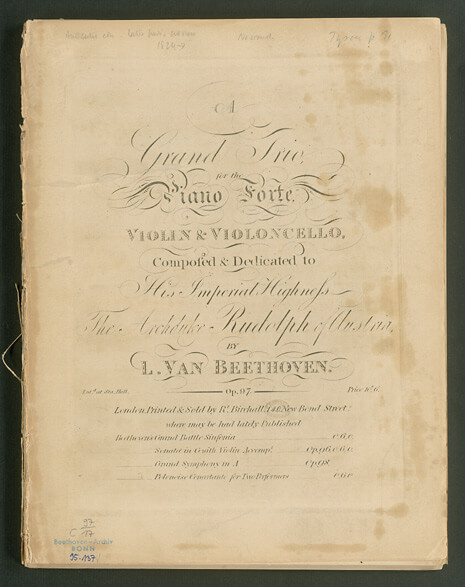
Beethoven-Haus Bonn, C 97/17
Later edition of the English original edition, published by Birchall in London in 1824
Ferdinand Ries also intended to offer the variations on a waltz by Anton Diabelli (C Major) op. 120 for publication in England. On 25 April 1823 Beethoven made the following announcement: "In a few weeks you will also receive 33 new variations on a subject (Waltz opus 120), dedicated to your wife." The corrected copy is the promised manuscript. Beethoven himself wrote a dedication and the date on the title: "33 Variations on a Waltz dedicated to the wife of my dear friend Ries by Ludwig van Beethoven, Vienna, 30 April 1823". The English edition was never published as Ries tells in his Beethoven memoirs: "Because Beethoven had delayed the sending so long and had forgotten all about the commission, that when I brought Boosey [the London publishing house interested in publishing the composition] the variations, we found out it had already been published in Vienna with a dedication to Madam Brentano."
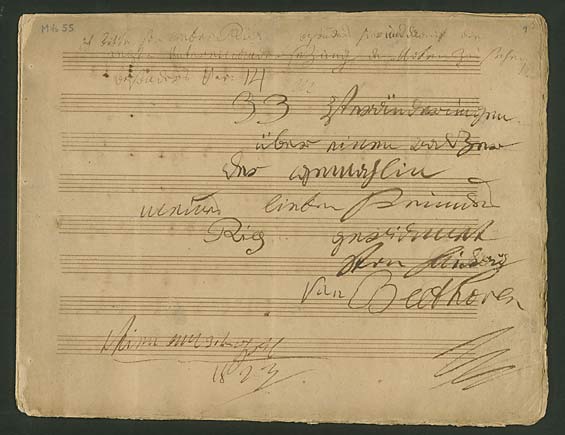
Beethoven-Haus Bonn, HCB Mh 55
Publisher Robert Birchall
The "Grand Battle Symphony", op. 91
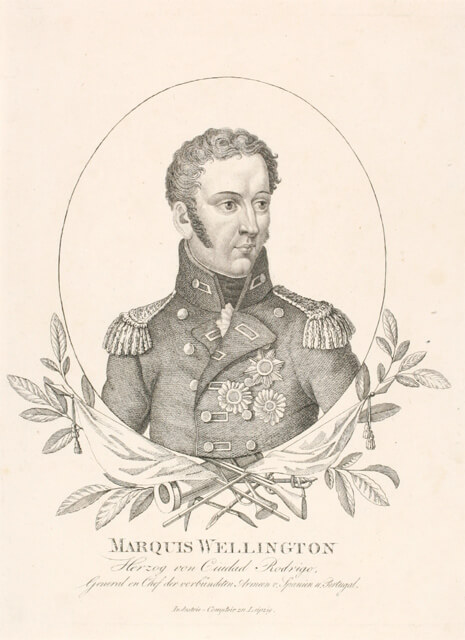
Copper engraving, c. 1815
Beethoven-Haus Bonn, B 2511
Titled: "MARQUIS WELLINGTON / Herzog von Ciudad Rodrigo, / General en Chef der verbündeten Armeen v. Spanien u. Portugal. // Industrie Comptoir zu Leipzig."
In June 1813 the troops of Sir Arthur Wellesley, Duke of Wellington, defeated Napoleon at the Vitoria plain in northern Spain. Inventor and music mechanic Johann Nepomuk Mälzel (he also built hearing tubes for Beethoven) convinced the composer of his idea to put the defeat of the French to music. Originally intended for Mälzel's new musical device, the so-called "Panharmonicon", the composition was too powerful to be transferred to a mechanical musical machine. Beethoven then arranged the composition for orchestra and added a piece of battle music (including the marches "Rule Britannia" and "Marlborough") and an intrada. As a composition written for a special occasion it matched the current taste and met with great success in December 1813. Thereafter, the piece was performed many times in Vienna. Beethoven dedicated the composition to the Prince Regent, later King George IV of England who had governed the country since 1811 because his father had become insane. Beethoven had already sent the score copy to the dedicatee in early 1814 but neither received an answer nor the expected remuneration. Instead, the composition was performed in London on 10 February 1815, a première that would be followed by many successful performances. The topic was reported effusively in the newspapers so that Beethoven, who spoke French but not English, asked Johann von Häring to write to conductor George Smart. Both were pleased with the great success the battle music had in London. However, Beethoven asked the conductor for advice because he did not want to publish the piano arrangement without the dedicatee's permission. In addition, he offered Smart other compositions for English publishers. In a postscript Beethoven thanked Smart for his efforts dedicated to his "children" (i. e. his compositions).
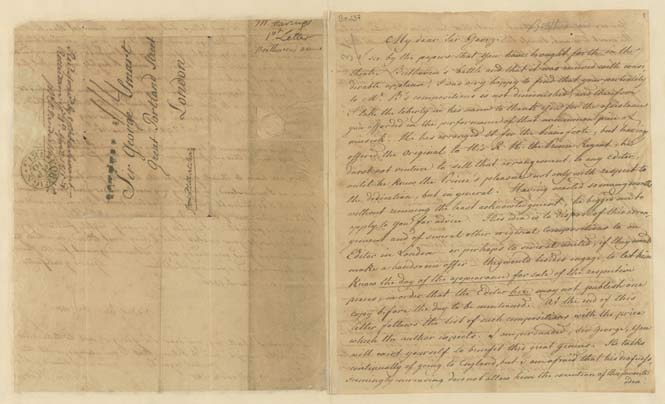
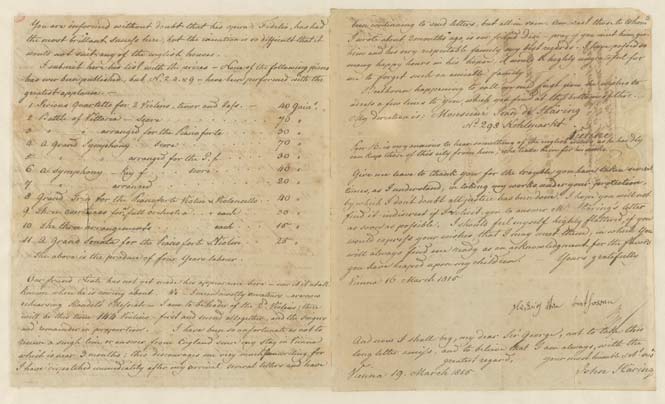
Beethoven-Haus Bonn, HCB Br 237
"My dear Sir George
I see by the papers that You have brought forth in the theatre Beethoven's battle and that it
was received with considerable applause; I was very happy to find that your partiality to M.r
B's compositions is not diminished, and therefore I take the liberty in his name to thank You
for the assistance you afforded in the performance of that uncommon piece of musick. He has
arranged it for the Pianoforte, but having offered the Original to His R.[oyal] H.[ighness] the
Prince Regent, he durst not venture to sell that arrangement, to any Editor, until he knew the
Prince's pleasure not only with respect to the dedication, but in general. Having waited so many
months without receiving the least acknowledgment, he begged me to apply to you for advice. His
idea is to dispose of this arrangement and of several other original Compositions to an Editor
in London – or perhaps to several united, if they would make a handsome offer – they would
besides engage, to let him know the day of the appearance for sale of the respective pieces, in
order that the Editor here may not publish one copy before the day to be mentioned. At the end
of this letter follows the list of such compositions with the price which the author expects. I
am persuaded, Sir George, You will exert yourself to benefit this great genius. He talks
continually of going to England, but I am afraid that his deafness, seemingly encreasing does
not allow him the execution of this favourite idea. […]
[Nachschrift nach Diktat von Beethoven:] Give me leave to thank you for the trouble you have
taken several times, as I understand, in taking my works under your protection, by which I don't
doubt all justice has been done. I hope you will not find it indiscreet if I solicit you to
answer M.r Häring's letter as soon as possible. I should feel myself highly flattered, if you
would express your wishes, that I may meet them, in which You will always find me ready as an
acknowledgment for the favours you have heaped upon my children. -
Yours gratefully
Ludwig van Beethowen"
The announcement for the English first performance under Sir George Smart at the Theatre Royal Drury Lane on 10 February 1815 explicitly mentioned the great success the composition had in Vienna: "Between the 2nd and 3rd Parts will be introduced, for the 1st time in our Country, A Grand Battle Sinfonia. Composed by Beethoven. And performed with unbounded Applause at Vienna." The announcement for the second presentation in London a few days later bore the following remark about the success of the previous performance: "Which was performed, for the first time, on Friday last, with universal Acclamations of Applause, and unanimously encored," that means with continuously growing public acclaim. Until May the piece was performed over and over again while the euphoria of the audience steadily increased. In the following year the orchestra counted 200 musicians. Until November 1817, when Princess Charlotte died, the piece was part of almost every concert performed here. Beethoven's oratorio Christ on the Mount of Olives, op. 85, was also presented at this theatre for the first time in England in February 1814 and repeated several times.
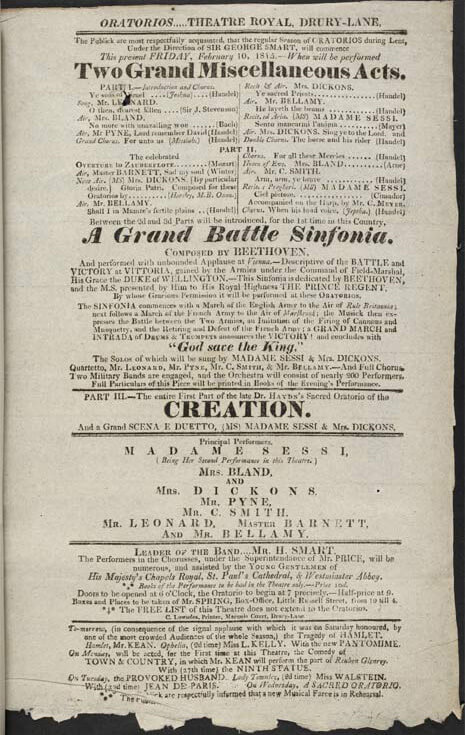

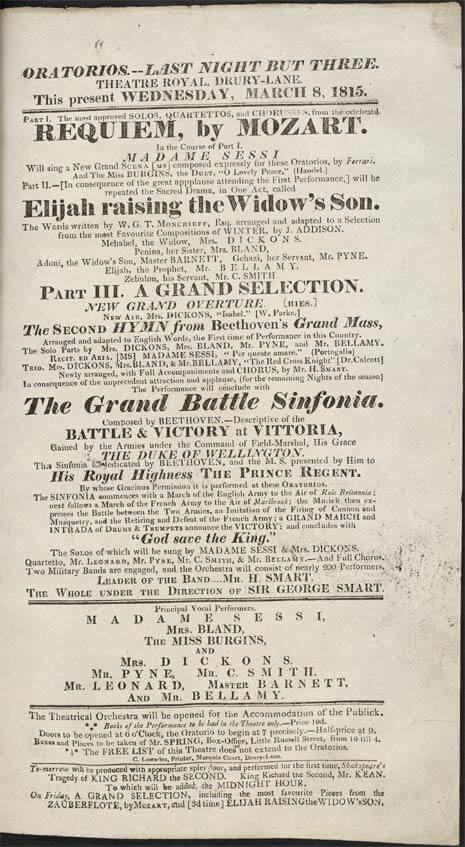
The British Library
The British Library
Reproduced with the permission of the British Library Board
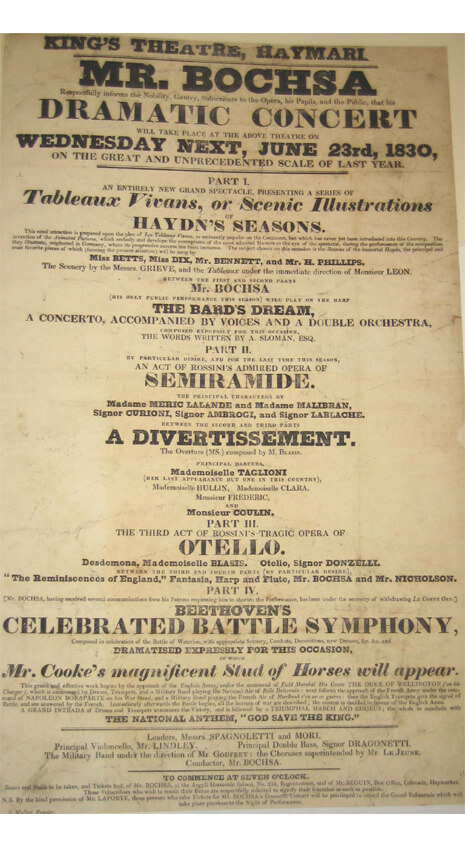
The British Library
The British Library
Reproduced with the permission of the British Library Board
The scenic performance on 23 June 1830 at The King's Theatre in Haymarket must have been quite noteworthy when apart from stage setting, costumes and other decorations a troop of horses was seen on stage.
Publisher Robert Birchall
The "Grand Battle Symphony", op. 91
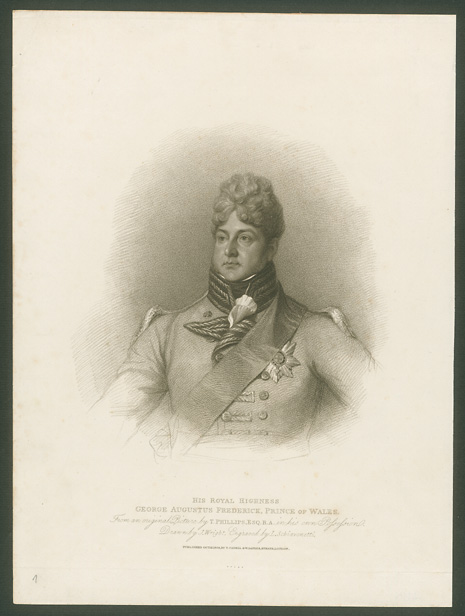
Copper engraving by Luigi Schiavonetti after a drawing by John Wright after a painting by Thomas Phillips, 1809
Beethoven-Haus Bonn, B 2109
Titled: "HIS ROYAL HIGHNESS / GEORGE AUGUSTUS FREDERICK, PRINCE OF WALES. / From an original
Picture by T. PHILLIPS, ESQ. R.A. in his own Possession. / Drawn by J. Wright, Engraved by L.
Schiavonetti. / PUBLISHED OCT. 11.1809, BY T. CADELL & W. DAVIES, STRAND, LONDON. / ..."
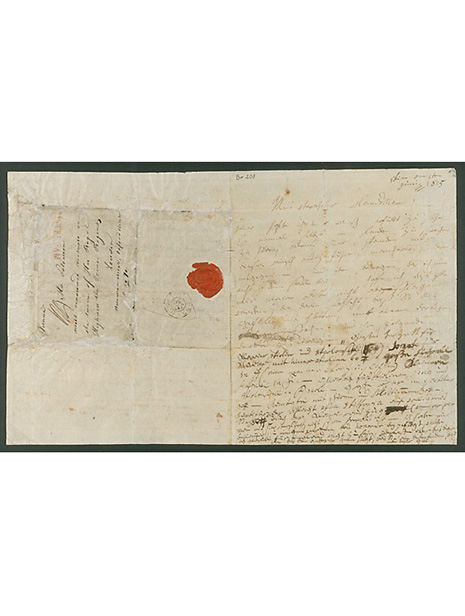
Beethoven-Haus Bonn, HCB Br 208
"Mein Verehrter LandsMann!
vieleicht ist es ihnen auch möglich mir anzuzeigen, auf welche Art ich vom Prinzen Regenten
wenigstens die CopiaturKosten für die ihm übermachte Schlacht-Simphonie auf Wellingtons Sieg in
der Schlacht von Vittoria. erhalten kann, denn längst habe ich den Gedanken aufgegeben, auf
sonst irgendwo etwas zu rechnen, nicht einmal einer Antwort bin ich gewürdigt worden, ob ich dem
Prinzen Regenten dieses Werk widmen darf, indem ich's herausgebe, ich höre sogar das werk soll
schon in London in Klawierauszug heraus seyn welch Geschick für einen Autor!!! Während die
englischen und deutschen Zeitungen voll sind von dem Erfolge dieses werkes im durylane Theater
aufgeführt, das Theater selbst ein paar gute Einnahmen damit gemacht, hat der Autor nicht einmal
eine [freund]schaftliche Zeile darüber aufzuweisen, nicht einmal den Ersaz der Copiatur-Kosten,
ja noch den verl[ust] alles Gewinnstes, denn wenn es wahr ist, daß der [Klawier]auszug
gestochen, so nimmt ihn kein deutscher ver[leger] mehr, Es ist wahrscheinlich, daß der
Klawiera[uszug] wohl bald irgend von einem deutschen Verl[eger] dem Londner Nachgestochen
erscheint, und ich verl[iere] Ehre und honorar. – ihr bekannter edler Karak[ter] läßt mich
hoffen, daß sie einigen Antheil d[aran] nehmen, und sich thätig für mich beweisen"
English translation – the German text above is the original letter:
"My esteemed compatriot! Perhaps you might also be able to tell me how I could obtain from the Prince Regent at least the copying costs for the Battle Symphony on Wellington's victory in the Battle of Vittoria that I sent to him, for I have long since given up counting on anything else; I have not even been deemed worthy of an answer as to whether I may dedicate this work to the Prince Regent when I publish it. I even hear that the work is already said to have been published in London in a piano reduction – what a fate for an author!!! While the English and German newspapers are full of the success of this work performed at the Drury Lane Theatre, and the theatre itself has made a couple of good takings with it, the author has not a single friendly line about it to show, not even reimbursement of the copying costs, and indeed even the loss of all profit, for if it is true that the piano reduction has been engraved, no German publisher will take it any more. It is likely that the piano reduction will soon appear somewhere from a German publisher, re-engraved after the London edition, and I shall lose both honour and fee. – Your well-known noble character lets me hope that you will take some interest in this and actively exert yourself on my behalf."
The address written by someone else reads: "Vienna / Mr. Salomon / most renowned virtuoso in / the service of His Royal / Highness the Prince Regent / London / Newman street, Oxford street / no. 70." A few months after the letter to Smart Beethoven asked Johann Peter Salomon if he saw a chance to have the Prince Regent at least reimburse him for the costs for copying the Battle Symphony. Apart from that he had heard a piano reduction was being prepared which would violate his rights and remuneration as author (in fact this was not the case and Beethoven had already sold the composition in Austria to Steiner). Although he tried several times to remind the English king of this neglect, Beethoven never received any acknowledgement for the dedication. After having sent the king a printed copy of the score many years later, Beethoven once more asked the renowned London harp manufacturer Johann Andreas Stumpff for help in 1825 but his efforts were also in vain. Stumpff replied: "I have made many inquiries with even the ones closest to the king in relation to the Battle at Victoria but have heard no more than one would regret not being able to help in this matter and that Sir Benj. Bloomfield, then director of the musical department, who might have received the composition, was no more in London but at the Swedish court as an envoy for many years and that possibly with favourable luck one might remind the king in this matter."
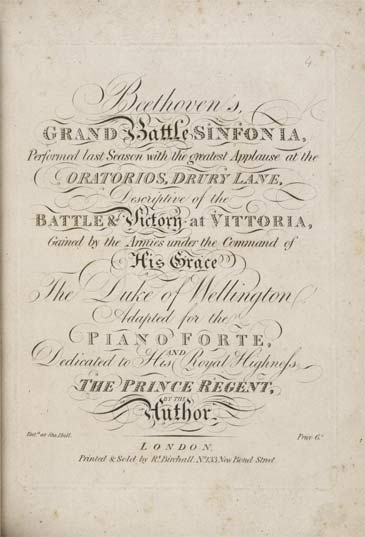
Birchall, London, January 1816
Beethoven-Haus Bonn, C 91/12
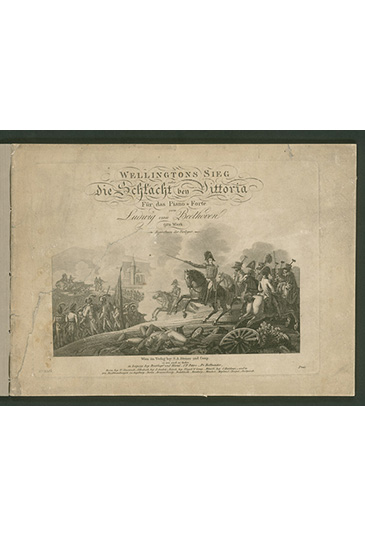
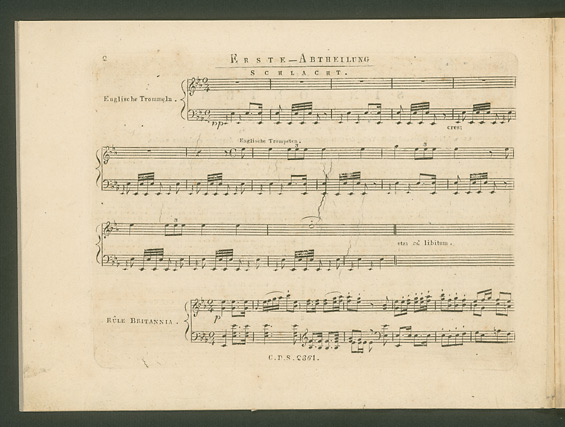
Steiner, Vienna, March 1816
Beethoven-Haus Bonn, HCB C op. 91
The planned simultaneous edition by Steiner in Vienna and Birchall in London failed in this case, too. Beethoven had asked the Vienna publisher to delay the edition because he needed to find an English publishing house first. At the end of November 1815, he told Ries the title of the English edition and asked for the publication date. In December Ries confirmed receipt of the scores. Beethoven was told that there would be a delay of three to four months which Beethoven then indicated to Steiner. Nevertheless, the English edition was published within a month in January 1816 and thus two months earlier than the German edition.
Beethoven's relationship to Great Britain
Other publishing houses
Two Italian musicians working in London, Francesco Cianchettini and cello player Sperati, referring to themselves as "Importers of Classical Music" on the title page, published a series of 27 symphonies in score editions each month between 1807 and 1809. Apart from 18 symphonies by Joseph Haydn and 6 pieces by Mozart, Beethoven's first three symphonies were published here as score editions for the first time, a score type that would not be common on the Continent until the 1820s. The first edition in parts, published in 1804 by a Vienna publisher, served as master. Certainly, Beethoven did not know anything about this edition and did not receive any remuneration. Neither was it Beethoven who dedicated the composition to Prince Regent George of England but the publishers.

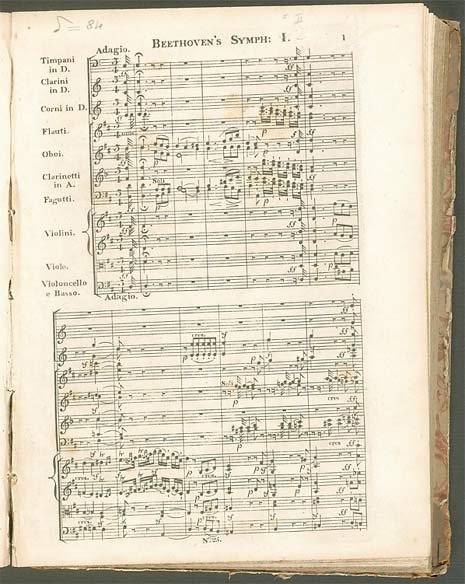
Interestingly, the symphony op. 36 is referred to as "First Symphony" here.
Beethoven-Haus Bonn, HCB C Md 120
The displayed catalogue excerpt shows that the London music publishing house Preston also edited a number of reprints besides the folk song arrangements published by George Thomson.
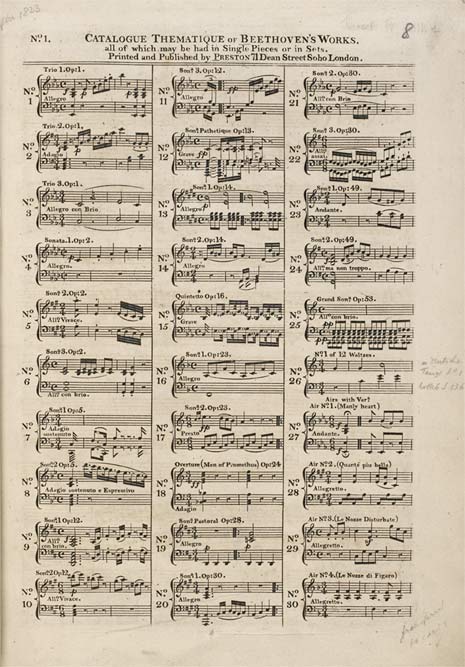
The British Library
The British Library
Reproduced with the permission of the British Library Board
Between 1808 and 1820 the London publisher Monzani & Hill edited a monumental full edition of Beethoven's piano and piano chamber music compositions – enough sheet music to fill 75 volumes. All publications were reprints. Of booklet 27 only one single copy remains, kept at the Beethoven-Haus for a few years. It contains the variations in G Major WoO 77 that were first published by a Vienna publisher in 1800.
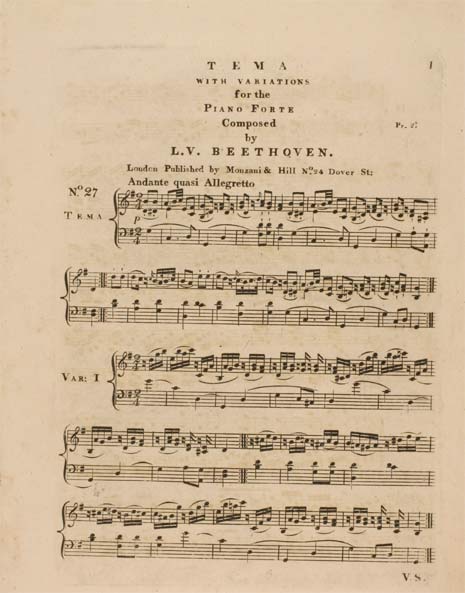
Monzani & Hill, London c. 1813
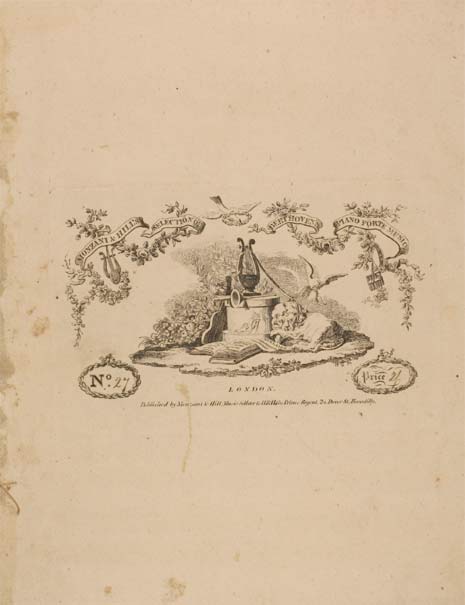
Beethoven-Haus Bonn, C WoO 77/8
Beethoven's relationship to Great Britain
Piano manufacturer Thomas Broadwood
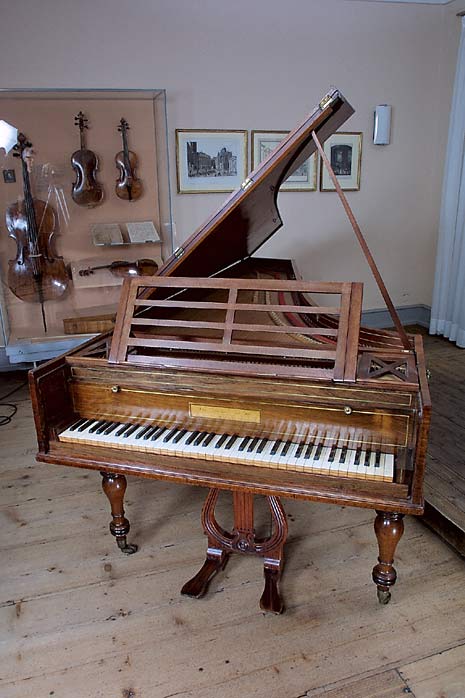
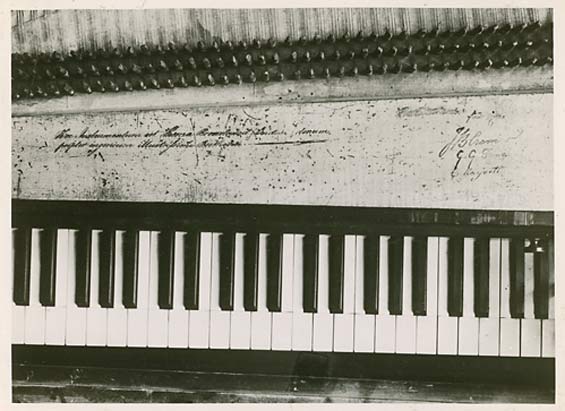
Inscription with signatures
Thomas Broadwood, the most productive piano manufacturer of that time in London, gave Beethoven a pianoforte in 1817. For this purpose he had invited five of the most important London musicians to his shop to choose a suitable instrument for the cherished master. Above the company label on the front edge of the pin block the following text can be read: "Hoc Instrumentum est Thomae Broadwood (Londrini) donum propter ingenium illustrissime Beethoven." [This instrument is a proper gift from Thomas Broadwood of London to the great Beethoven.] Next to it Friedrich Kalkbrenner, Ferdinand Ries, Johann Baptist Cramer, Jacques-Godefroi Ferrari and Charles Knyvett signed the instrument. Many years later the Vienna music publisher Carl Anton Spina gave the piano to Franz Liszt who then bequeathed it to the Hungarian National Museum. The displayed instrument, constructed in the same way, is owned by the Beethoven-Haus.
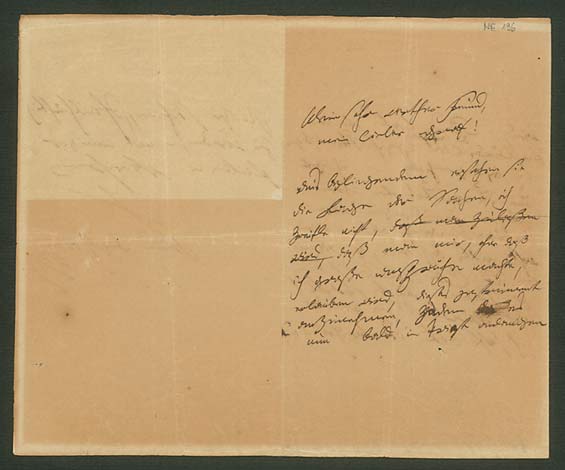
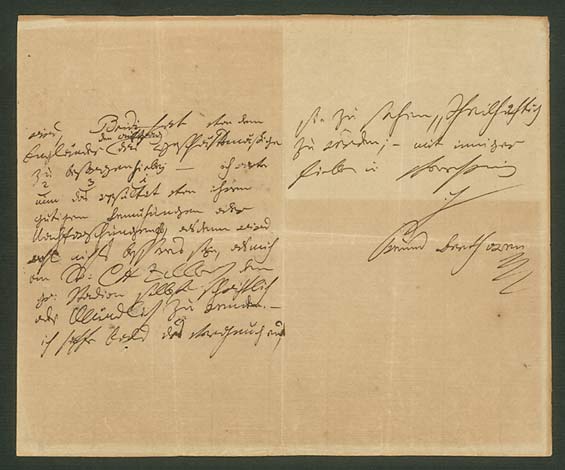
Beethoven-Haus Bonn, NE 196
"Mein sehr werther Freund, mein lieber Graf!
aus beyliegendem ersehen sie die Lage der Sachen, ich zweifle nicht, daß man mir, ohne daß ich
große Ansprüche machte, erlauben wird, dieses Instrument anzunehmen, zudem da es nun bald in
Triest anlangen wird, Bridi hat von dem Engländer den Auftrag das Geschäftsmäßige hiebey zu
besorgen – ich warte nun das Resultat von ihren gütigen Bemühungen oder Nachforschungen ab,
alsdenn wird wohl nichts besseres seyn, als mich an Se. Exzellenz den gr. Stadion selbst
schriftlich oder Mündlich zu wenden. – ich hoffe bald des vergnügens, sie zu sehen,,[sic]
Theilhaftig zu werden; – mit inniger Liebe u. Verehrung
ihr Freund Beethowen"
English translation – the German text above is the original letter:
"My very dear friend, my dear Count!
From the enclosed you will see how matters stand. I have no doubt that, without my making great claims, I will be permitted to accept this instrument, especially since it will soon arrive in Trieste. Bridi has been instructed by the Englishman to attend to the business side of the matter – I shall now await the result of your kind efforts or enquiries; after that there will probably be nothing better than to turn to His Excellency Count Stadion himself, in writing or in person. – I hope soon to have the pleasure of seeing you; – with heartfelt love and veneration
your friend Beethoven"
Broadwood notified Beethoven in early January 1818 that the instrument had been dispatched on 27 December.
Beethoven immediately contacted Count Moritz Lichnowsky and asked him to speak with the finance minister on his
behalf so that he would be allowed to obtain the instrument free of customs duties and other charges. As can be
seen from the article published in the Vienna newspaper on 8 June Beethoven's wish was granted: "Mister Ludwig
van Beethoven, cherished not only in Austria but also abroad for his great musical genius, received a rare and
precious pianoforte from a London admirer as a gift, delivered to Vienna free of charge. With particular
generosity the Imperial Royal Court Chamber dispensed with customs duties that are usually applied to foreign
musical instruments, and hence proved in a way pleasant for the arts that one strives to encourage such seldom
merits of genius by humane appreciation."
Beethoven gave effusive thanks for the "honourable gift": "I will regard it as an altar on which I
will offer to the god Apollo my most beautiful sacrifices of spirit."
The Philharmonic Society
The Ninth Symphony
The Philharmonic Society, founded in London in 1813, became Beethoven's most important institutional partner in
England. The mission of the society, mostly based on private initiative, was to hold concerts at the highest
professional level. Many people of importance to Beethoven held relevant positions: the often mentioned
musicians Sir George Smart and Ferdinand Ries belonged to the group of directors, and the
pianist, cellist and composer Charles Neate was one of the founding fathers. The first concerts each had a composition of Beethoven
as the core. In most cases this was a symphony or other composition such as the popular Septet op. 20 or the
Quintet op. 29. The mixed concert programme typical of that time also featured compositions by Cherubini,
Mozart, Haydn and Boccherini. In 1815 the Philharmonic Society bought three pieces from the work series
Beethoven had offered to Smart and Salomon for publication in England: the overtures for "The Ruins of Athens"
("Die Ruinen von Athen"), op. 113 and "King Stephen" ("König Stephan"), op. 117 and the "Name Day Overture" ("Zur
Namensfeier"), op. 115. In the same year Neate stayed in Vienna where he visited Beethoven. When he left for
London in February 1816, he took several compositions to present in the concerts of the Philharmonic Society
and/or offer them to London publishers. Beethoven also hoped for a benefit concert in his favour.
Unfortunately, he was disappointed and felt betrayed after he had not heard anything from Neate for months but
had read about a successful performance of his symphony in London in the press. It cannot be said for sure if
the symphony presented was indeed the new Seventh Symphony or the often performed Fifth Symphony.
In the following year the Philharmonic Society invited Beethoven to London. "We would like to have you
with us here in London next winter," wrote Ferdinand Ries on 9 June 1817. The flattering introduction reads
as follows: "The Philharmonic Society where your compositions are preferred to any other wishes to give you
proof of its admiration and gratitude for the many wonderful moments we were able to enjoy thanks to your
exceptional compositions of genius." The society was willing to pay Beethoven 300 guineas for a season-long stay
in London and for the compositions of two symphonies that should then be the property of the Society. During his
stay he would be able to give other concerts on his own which would be a nice source of additional income.
Beethoven requested an additional minimum remuneration of 100 guineas to cover his travel costs, since they might be
higher because of a necessary travel companion. The Society refused his request and the journey never took
place, certainly also due to Beethoven's bad state of health and the concerns for his nephew.
Still, Beethoven intended to visit England and told Ries in 1822 in a letter: "I am still playing with
the thought to come to London, if only my health permits; possibly next spring?" On this occasion he also
asked Ries the following: "What remuneration would the Harmonic Society give me for a great symphony?" Ries
forwarded the composer's inquiry and in the first session of the season in 1823 the directors decided in favour
of Beethoven:
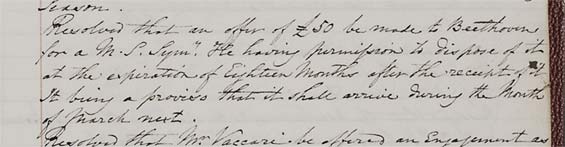
"10. November 1822
Resolved that an offer of £ 50 be made to Beethoven for a M[anu].S[cript].Sym[phony]. He having
permission to dispose of it at the expiration of Eighteen Months after the receipt of it. It being a proviso
that it shall arrive during the Month of March next."
According to the minutes a remuneration of £ 50 was offered to Beethoven for a new and yet unprinted
symphony, given that the manuscript would be received in the month of March. Beethoven would then (as opposed to
the offer of 1817) have the full rights of the composition after 18 months. Ries informed Beethoven of the
decision five days later.
The British Library
The British Library
Reproduced with the permission of the British Library Board
In early 1823 the Philharmonic Society also bought the overture "Consecration of the House" ("Die Weihe des Hauses"), op. 124 for £ 25. A copy was delivered by the London envoy secretary Caspar Bauer. At the end of February Beethoven told Neate he would send the symphony the same way as soon as he received the remuneration. At that time op. 125 had only been sketched and partially composed. Apart from that Beethoven expressed his hope to be able to visit London next year when he felt better: "England I would like to see and all the wonderful artists there. For me it would be favourable as I can never achieve anything in Germany."
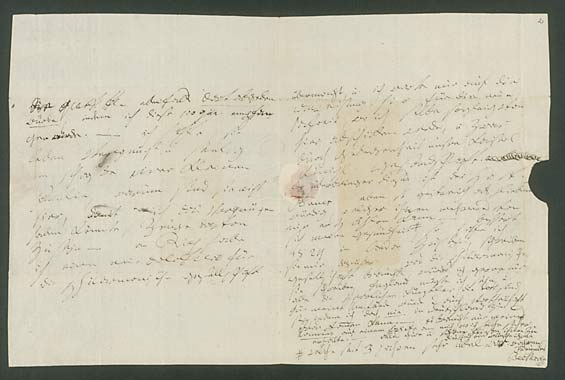
Beethoven-Haus Bonn, HCB Br 176
"Vien am 25ten Februar 1823
Mein lieber werther Freund!
[…] – an Ries habe ich eine neue overture für die Philarmonische Gesellschaft übermacht, u. ich
warte nur auf die Anweisung hier für die neue Sinfonie, Wo ich selbe sogleich von hier
abschicken werde, u zwar durch gelegenheit unsre kaiserl königl Gesandschaft.
Der überbringer dieses ist der Hr. v. Bauer eben so geistreich als Liebenswürdig, welcher ihnen
mehreres von mir erzählen kann – bessert sich meine Gesundheit +welche seit 3 Jahren sehr übel
war.+, so hoffe ich 1824 in london zu seyn, schreiben sie mir darüber, was die Philarmonische
Gesellschaft brauchte, würde ich gerne für sie schreiben, England mögte ich sehn, u. alle die
Herrlichen Künstler, die dort sind, für meine Umstände würde es auch vortheilhaft seyn, indem
ich doch nie in Deutschland zu etwas kommen kann. – Es braucht nur meines Namens auf einem
Briefe an mich, wo ich solche sicher erhalte. -
alles gute u. schöne fließe ihnen zu dies sind die wünsche ihres Wahren Freundes
Beethoven"
The completion of the symphony was delayed. In several letters from 1823 to Ries Beethoven over and over again gave new excuses. In the beginning of September he promised messenger Franz Christian Kirchhoffer, employee at the Vienna bank Hofmann & Goldstein, to deliver the manuscript within the next two weeks. As can be seen from the receipt, Kirchhoffer had to wait for almost another eight months.
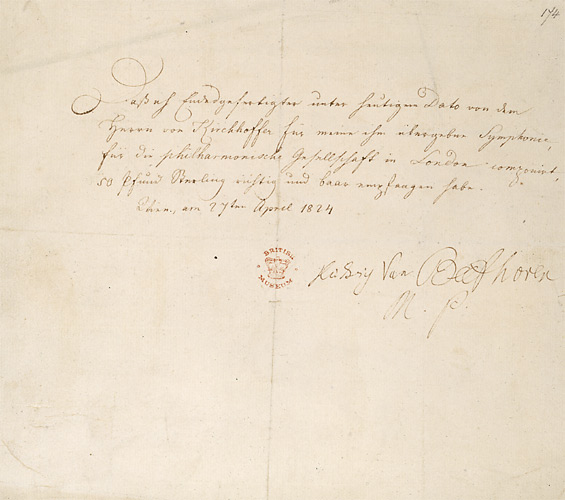
The British Library
The British Library
Reproduced with the permission of the British Library Board
Neate confirmed receipt of the score eight months later on 20 December 1824. The copy corrected by Beethoven bears the following title written by the composer: "Great symphony written for the Philharmonic Society in London.- by Ludwig van Beethoven First movement". The final part shows the handwritten German original text. An English and (incomplete, partially free) Italian translation was added in London. Schiller's "Ode to Joy" was performed in this language, particularly suitable for singing.

The British Library
The British Library
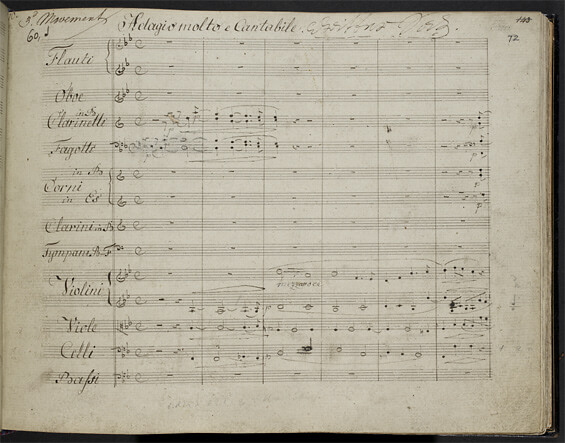
Reproduced with the permission of the British Library Board
Sheet 72r with the beginning of the third movement bears the description of "Third movement" as
well as corrections of the notes by Beethoven, indicated by correction marks in the margin.
The Philharmonic Society
The Ninth Symphony
Charles Neate invited Beethoven to London once more for the season of 1825 to conduct the first London performance of the Ninth Symphony. For a remuneration of 300 guineas he should bring two new compositions, another symphony and a concerto to first performance. Apart from that he would be able to give a concert for his own benefit. Obviously, the scope of Beethoven's impaired hearing was unknown in London. Beethoven asked for the remuneration to be increased by 100 guineas, a request that was refused. However, Neate was sure that Beethoven would be completely content with his stay in England. Like before Beethoven did not undertake the journey. With the letter the composer enclosed a list of mistakes concerning the Ninth Symphony drawn up by a copyist but pointed out that these mistakes were found in other copies and might not necessarily show up in the London copy, too. Later, Neate said that the London copy was flawless.
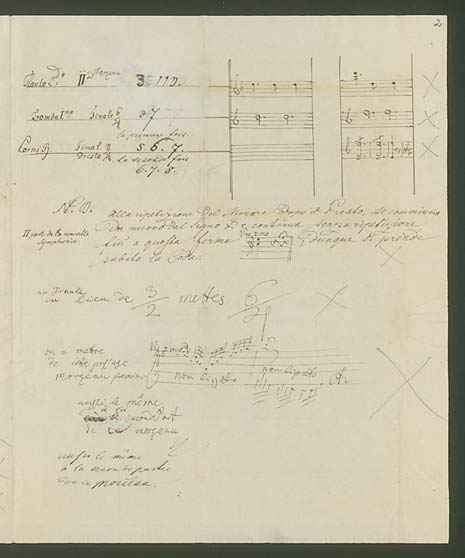
Beethoven-Haus Bonn, HCB Br 178
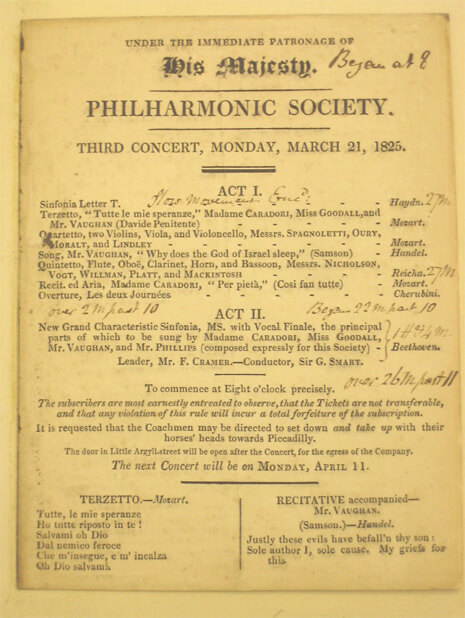
At the first attempt the Philharmonic Society did not manage to perform the composition in a way that met its requirements. The extremely popular double-bass player Domenico Dragonetti was scheduled for the bass recitatives as a solo player for which he requested additional remuneration. The Society refused this. In a letter to the secretary he wrote that he would even have requested double had he known the score before. A public rehearsal on 1 February became a musical and then a press catastrophe and significantly influenced the review of the regular performance on 21 March 1825. For the critics the piece was too long and too difficult. Sir George Smart, a conscientious conductor and artist, had explicitly asked the directors of the Philharmonic Society to delay the presentation until it was clear whether Beethoven was coming to London to "partake in the performance" (as it was wisely described during the Vienna first performance) despite his hearing impairment that might be underestimated in London and until questions had been answered such as the right tempo for the bass recitatives in the fourth movement. Urged by Beethoven's Vienna friends and contrary to the agreement with the Philharmonic Society the symphony had already been presented for the first time almost a year earlier in Vienna on 7 May 1824, and had been met with great success. As late as ten years after the English first performance the composition achieved success in London. The Academy presented the choral finale separately at the Hanover Square Rooms, this time with an English translation by conductor Charles Lucas. Now the audience understood the meaning. Another two years later the Philharmonic Society also managed to hold a successful presentation under Ignaz Moscheles that then led to the suggestion to perform the composition every year with a choir of 1,000 members and an orchestra of 500 musicians as apotheosis and great European freemason anthem. In 1972 the suggestion was carried out, even if in a different way. The Strasbourg Council of Ministers of the European Community chose a part of the choral finale in a plain instrumental version as European anthem.
The British Library
The British Library
Reproduced with the permission of the British Library Board
Smart made the following notes: the long concert started on time at 8 PM, included a break
between 10:02 and 10:22 PM, the Ninth Symphony took exactly one hour and 4 minutes and the
concert was over at 11:26 PM. Especially the note concerning the performance duration is an
interesting piece of information. It is about the same as today whereas concerts back then were
considerably longer than now. An Italian translation of the song texts that is slightly different from
the original text of the score is printed in the right column on the back of the programme.
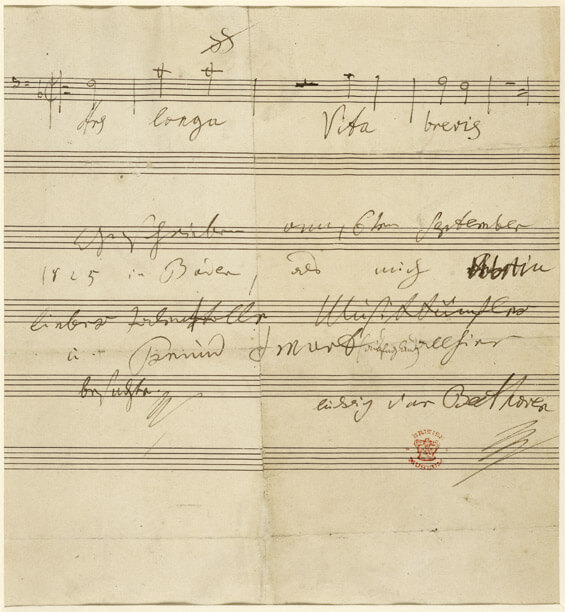
Half a year after the presentation Sir George Smart travelled to Vienna and met Beethoven several times in Vienna and Baden.

Lithograph by Charles Joseph Hullmandel after a painting supposedly by William Bradley
Beethoven-Haus Bonn, B 2005
On the occasion of a final visit on 16 September Smart gave the admired composer a diamond pin. In gratitude Beethoven composed the canon "Ars longa, vita brevis" ("Art is long, life is short"), WoO 192. Smart later noted in his diary "as quickly as his feather pen was willing to write, within about two minutes". The dedication written by Beethoven reads: "Geschrieben am 16ten September 1825 in Baden, als mich mein lieber talentvoller Musikkünstler u. Freund Smart (aus England) allhier besuchte. Ludwig van Beethoven." ("Written in Baden on 16 September 1825 when my dear and talented music artist and friend Smart (from England) visited me here. Ludwig van Beethoven").
The British Library
The British Library
Reproduced with the permission of the British Library Board
The Philharmonic Society
The money gift
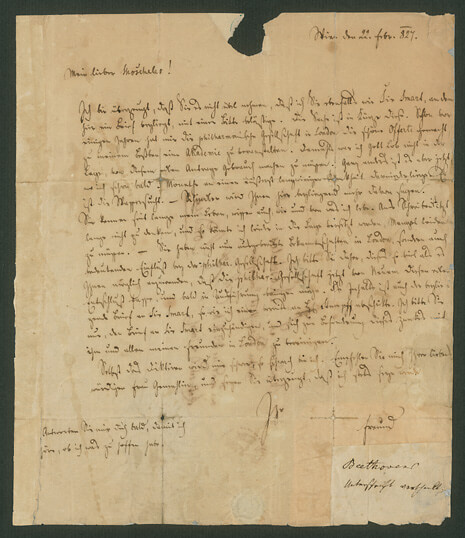
In February 1827, Beethoven, already fatally ill, contacted his old acquaintance Ignaz Moscheles to ask for financial help. George Smart and Johann Andreas Stumpff received similar letters. In earlier years the Philharmonic Society had been in correspondence with Beethoven several times concerning a benefit concert in his favour. Now Beethoven, who had already been unable to work for months, felt himself in the situation to ask for such a concert. As weak as he was, he had to dictate the letter. Only the signature later cut out by Moscheles was written by his hand.
Beethoven-Haus Bonn, Collection Wegeler, W 27
"Wien 22. Febr. 1827.
Mein lieber Moscheles !
Ich bin überzeugt, daß Sie es nicht übel nehmen, daß ich Sie ebenfalls wie Sir Smart, an den
hier ein Brief beyliegt, mit einer Bitte belästige. Die Sache ist in Kürze diese. Schon vor
einigen Jahren hat mir die philharmonische Gesellschaft in London die schöne Offerte gemacht zu
meinem Beßten eine Akademie zu veranstalten. Damals war ich Gott Lob nicht in der Lage, von
diesem edlen Antrage Gebrauch machen zu müssen. Ganz anders ist es aber jetzt wo ich schon bald
3 Monathe an einer äußerst langwierigen Krankheit darnieder liege. Es ist die Wassersucht. –
Schindler wird Ihnen hier beyliegend mehr davon sagen.
Sie kennen seit lange mein Leben, wissen auch, wie und von was ich lebe. Ans Schreiben ist itzt
lange nicht zu denken, und so könnte ich leider in die Lage versetzt werden, Mangel leiden zu
müssen. – Sie haben nicht nur ausgebreitete Bekanntschaften in London, sondern auch bedeutenden
Einfluß bey der philhar. Gesellschaft. Ich bitte Sie daher, dieses so viel als es Ihnen möglich
anzuwenden, daß die philhar. Gesellschaft jetzt von Neuem diesen edlen Entschluß fasse, und bald
in Ausführung bringen möge. Des Inhalts ist auch beyliegender Brief an Sir Smart, so wie ich
einen bereits an Hrn Stumpff abschickte. Ich bitte Sie nur, den Brief an Sir Smart
einzuhändigen, und sich zur Beförderung dieses Zweckes mit ihm und allen meinen Freunden in
London zu vereinigen.
Selbst das Diktiren wird mir schwer, so schwach bin ich. Empfehlen Sie mich Ihrer
liebenswürdigen Frau Gemahlin, und seyen Sie überzeugt, daß ich stets seyn werde
Ihr Freund
[an der Stelle der herausgeschnittenen Unterschrift ist ein Zettel mit der Bemerkung Moscheles'
aufgeklebt: 'Beethovens Unterschrift verschenkt.']
Antworten Sie mir doch bald, damit ich höre, ob ich was zu hoffen habe."
English translation – the German text above is the original letter:
"Vienna, 22 Febr. 1827.
My dear Moscheles!
I am convinced that you will not take it amiss that I, as with Sir Smart, to whom a letter is enclosed here, trouble you with a request. The matter, in brief, is this. Some years ago the Philharmonic Society in London made me the fine offer of arranging a concert for my benefit. At that time, thank God, I was not in the position of having to make use of this noble proposal. But things are quite different now that I have been lying ill for almost 3 months with an extremely protracted illness. It is dropsy. – Schindler will tell you more about it in the enclosed letter.
You have long known my life and also know how and on what I live. Writing is out of the question for a long time now, and so I could unfortunately find myself in the position of having to suffer want. – You not only have wide connections in London but also considerable influence with the Philharmonic Society. I therefore ask you to use this as far as you can so that the Philharmonic Society may now take up this noble resolution anew and soon put it into effect. The enclosed letter to Sir Smart is of the same content, as is one I have already sent to Mr Stumpff. I only ask you to hand the letter to Sir Smart and to join with him and all my friends in London in furthering this purpose.
Even dictating is hard for me, I am so weak. Commend me to your charming wife, and be assured that I shall always be
your friend
[in place of the cut-out signature, a slip of paper with a note by Moscheles is pasted on: 'Beethoven's signature given away.']
Do answer me soon, so that I may hear whether I have anything to hope for."
Originally from Prague, pianist, composer and conductor Ignaz Moscheles came to Vienna in 1808. Until 1820 he was part of Beethoven's circle of acquaintances. From the early 1820s until 1846 Moscheles lived in London but remained in written contact with Beethoven until his death.
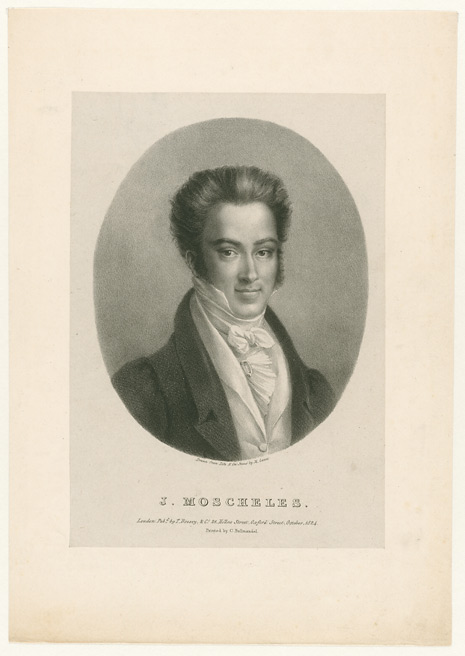
Lithograph by M. Gauci after a drawing of his own
Beethoven-Haus Bonn, B 2000
Thuringian harp manufacturer Johann Andreas Stumpff was a fervent admirer of Beethoven. In the autumn of 1824 he
had visited Beethoven in Baden and remembered the visit in a preserved draft for a letter: "Still my loving
heart is grateful for the fortuity that led me to lovely Baden and see face to face the most favourite of the
muses and creator of the most eminent melodies ever imagined by the human spirit and who so kindly received me
with such generosity that I will strive to earn all my life long." In the following year he particularly pleased
the "greatest living musician Luis v. Beethoven" with the gift of a 42-volume full edition of the works by Georg
Friedrich Händel.
After Beethoven's letter for help arrived in London the board of the Philharmonic Society immediately held a
session and granted the composer's wish. The generous sum of £ 100 was quickly sent to Vienna. It was a noble
deed by the Society for which Beethoven had not always been a reliable partner but still a highly appreciated
artist. The day Beethoven was buried, which he, of course, did not know yet, Moscheles revealed to the Society
the content of the letter his friend Sebastian Rau had written him. In the letter Rau described the tremendous
joy Beethoven had expressed when he brought him the money gift the Society had sent. In fact, it was Beethoven's
last great feeling of joy and it also improved the state of his health for a short time.
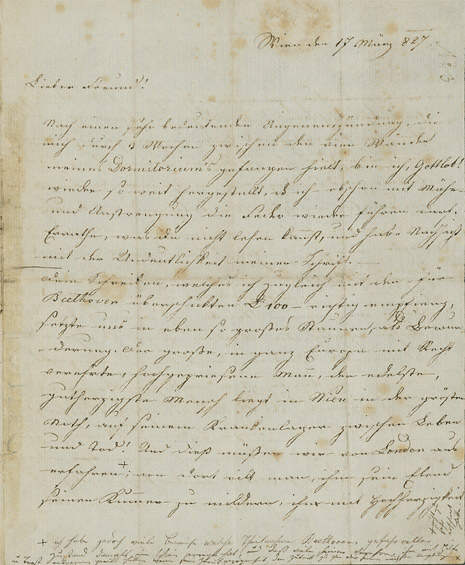
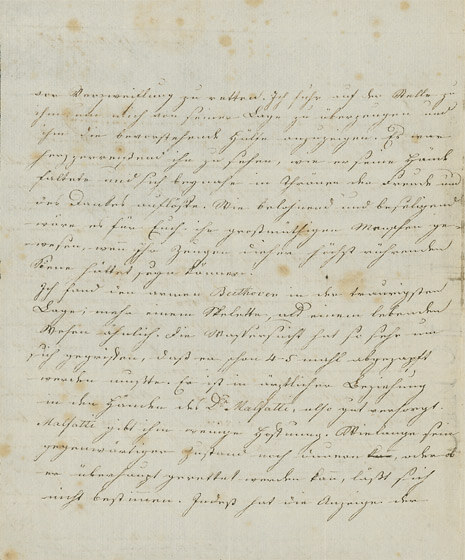
Beethoven-Haus Bonn, Collection Wegeler, W 31
"Wien den 17 März 1827. Lieber Freund! Dein Schreiben, welches ich zugleich mit den – für
Beethoven überschickten £ 100 richtig empfieng, setzte uns in eben so großes Staunen, als
Bewunderung. Der große, in ganz Europa mit Recht verehrte, hochgepriesene Mann, der edelste,
gutherzigste Mensch liegt in Wien in der grösten Noth, auf seinem Krankenlager zwischen Leben
und Tod! Und dieß müßen wir von London aus erfahren; von dort eilt man, ihm sein Elend seinen
Kummer zu mildern, ihn mit Hochherzigkeit vor Verzweiflung zu retten. Ich fuhr auf der Stelle zu
ihm; um mich von seiner Lage zu überzeugen und ihm die bevorstehende Hülfe anzuzeigen. Es war
herzzerreißend ihn zu sehen, wie er seine Hände faltete und sich beynahe in Thränen der Freude
und des Dankes auflöste. Wie belohnend und beseligend wäre es für Euch – ihr großmüthigen
Menschen gewesen, – wenn Ihr Zeugen dieser höchst rührenden Scene hättet seyn können! Ich fand
den armen Beethoven in der traurigsten Lage; mehr einem Skelette, als einem lebenden Wesen
ähnlich. Die Wassersucht hat so sehr um sich gegriffen, daß er schon 4 – 5 mahl abgezapft werden
mußte. Er ist in ärztlicher Beziehung in den Händen des Dr Malfatti, also gut versorgt. Malfatti
gibt ihm wenige Hoffnung. Wie lange sein gegenwärtiger Zustand noch dauern, oder ob er überhaupt
gerettet werden kann, läßt sich nicht bestimmen. Indeß hat die Anzeige der eingetretenen Hülfe
eine merkwürdige Veränderung zur Folge gehabt. Durch die freudige Gemüthsbewegung veranlaßt,
sprang in der Nacht eine der vernarbten Ponctionen auf, und alles Wasser, das sich seit 14 Tagen
gesammelt hatte, floß von ihm. Als ich ihn des andern Tags besuchte, war er auffallend heiter,
fühlte sich wunderbar erleichtert. Ich eilte zu Malfatti, ihn hiervon in Kenntniß zu setzen. Er
hält dieses Ereignis für sehr beruhigend. Man wird ihm auf einige Zeit eine Hohlsonde
appliziren, um diese Wunde offen zu erhalten, und dem Andrange des Wassers freyen Abfluß zu
verschaffen. Gott gebe seinen Segen!"
English translation – the German text above is the original letter:
"Vienna, 17 March 1827. Dear friend! Your letter, which I received together with the £ 100 sent for Beethoven, filled us with as much astonishment as admiration. The great man, rightly venerated and highly praised throughout Europe, the noblest, most good-hearted of men, lies in Vienna in the direst need, on his sickbed between life and death! And this we must learn from London; from there people hasten to ease his misery and his sorrow and, with magnanimity, to save him from despair. I drove to him at once to see his situation for myself and to tell him of the help that was coming. It was heartbreaking to see him fold his hands and almost dissolve in tears of joy and gratitude. How rewarding and blissful it would have been for you – you generous people – if you could have witnessed this most moving scene! I found poor Beethoven in the saddest state, more like a skeleton than a living being. The dropsy has spread so far that he has already had to be tapped 4–5 times. Medically he is in the hands of Dr Malfatti and thus well cared for. Malfatti gives him little hope. How long his present condition will last, or whether he can be saved at all, cannot be determined. Meanwhile the news of the help that has arrived has brought about a remarkable change. Brought on by the joyful emotion, one of the healed punctures burst open in the night, and all the water that had collected over 14 days flowed out of him. When I visited him the next day, he was remarkably cheerful and felt wonderfully relieved. I hurried to Malfatti to inform him of this. He considers this event very reassuring. A hollow probe will be applied for some time to keep this wound open and to let the water drain freely. May God give his blessing!"
On 28 March Sebastian Rau informed London of Beethoven's death. To Moscheles he wrote: "Beethoven is gone, he died on 26 March in the evening between 5 and 6 o'clock, bitterly struggling with death and in terrible suffering. But he had lost consciousness the day before." Vienna piano manufacturer Johann Baptist Streicher sent a letter with the same date and similar content to Johann Andreas Stumpff. In 1822 Streicher had undertaken a long study journey and had become friends with Stumpff in London.
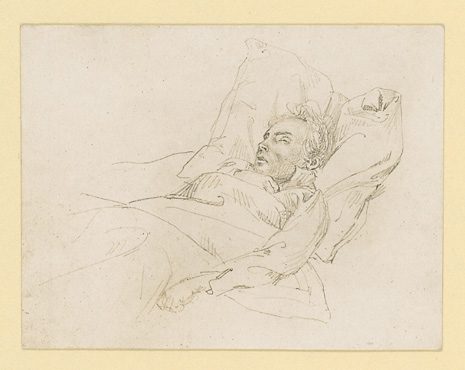
Josef Teltscher obviously visited Beethoven several times in March 1827 to draw him. According to the reports of Anselm Hüttenbrenner and Johann Baptist Jenger it is quite certain that he was also present in Beethoven's living room in the afternoon of 26 March when the composer died. From the way Beethoven is drawn it can be assumed that he was still alive, yet unconscious, when Teltscher drew him.
Epilogue
Aftereffects on the Island and Continent

Beethoven-Haus Bonn, B 1314
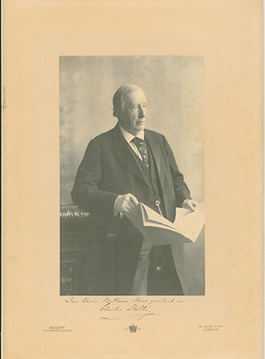
Photograph by Stanislaus Julian Walery, London, around 1890
Beethoven-Haus Bonn, B 1271
Dedication to "the Beethoven-Haus Association by / Charles Hallé"
As a young man, Joseph Joachim began his musical studies in Vienna with Joseph Böhm (1795–1876), who
had known Ludwig van Beethoven in person and participated, among others, in the first performance of the
Ninth Symphony. Thus, through his teacher Joachim had a link to the authentic interpretation of the compositions
by his admired composer. In 1844, at the age of only 13, he made his London debut under Felix Mendelssohn Bartholdy as
soloist in the Violin Concerto. His performance was widely acclaimed. Ever after
he was regarded as THE interpreter of this composition for which he also composed two cadenzas of his own. Later
Joachim became the grey eminence of the German musical life and was, amongst others, honorary president of the
Beethoven-Haus. In this position he initiated the Bonn chamber music festival tradition. It was him and his
quartet who made Beethoven's late string quartets known to the general public by interpretations his
contemporaries considered unrivalled.
Karl Halle, born in Hagen/Westphalia, was quite an influential figure for English musical life of the 19th
century. He settled in London early and presented Beethoven's piano sonatas first in concerts held at home, then
in public concerts. In Manchester he later founded an orchestra named after him that became known for exemplary
performances.
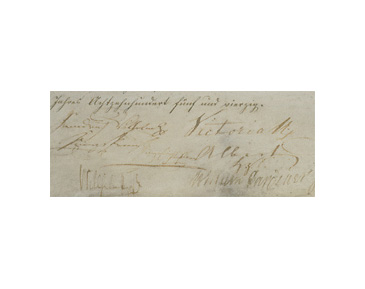
Beethoven-Haus Bonn, BH 158
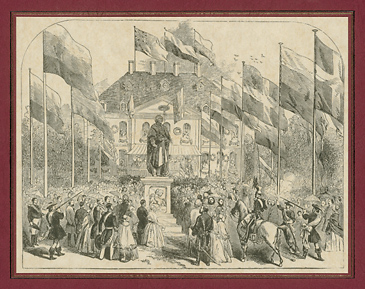
Reproduction of a wood engraving
Beethoven-Haus Bonn, B 2072
Before the Beethoven monument at the Münsterplatz in Bonn was officially unveiled in a ceremony on 12 August
1845 the honorary guests, among them Queen Victoria of England, her prince consort Albert, King Friedrich
Wilhelm IV of Prussia and Franz Liszt, signed the deed of foundation. The members of the committee also signed
the document. Two originals of the document were drawn up, and having been signed,
one of the originals was sealed in a lead capsule and walled in at the foot of the monument. However, no such
capsule with certificate was found when the monument's base was opened in the 1970s during construction works
for the parking garage under the Münsterplatz and the documents were brought to the city archive for
safekeeping.
When the Queen visited Germany the Illustrated London News published an article with pictures of the most
important sights, among them the Bonn Beethoven monument, a map of the river Rhine and genre scenes of the
journey. The same newspaper also published the original of the displayed wood engraving for the first time. The
reproduction is the cover of the menu for a dinner given by German Federal President Richard von Weizsäcker in
honour of Queen Elizabeth II on 3 July 1986 at Brühl Castle.
Legal notice
Publisher
Beethoven-Haus Bonn
Bonngasse 24–26
D-53111 Bonn
Germany
Texts:
Dr. Nicole Kämpken
Dr. Michael Ladenburger
This temporary exhibition was shown 22 August 2007 to 18 November 2007 in the Beethoven-Haus.
English translation: DeepL, revised by Dr. Paul Ellison